
All About Supplements: Do You Actually Need Them?
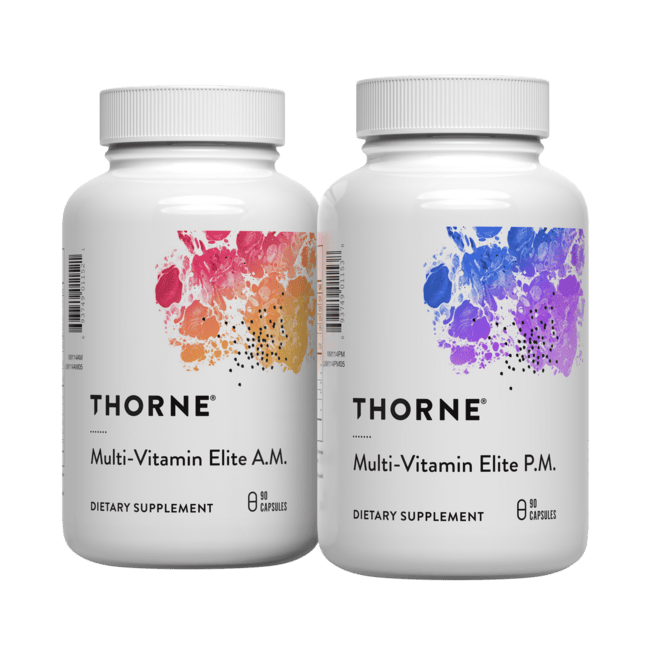
View our Goal-based Supplement Guide here
Supplements are everywhere. Every gym, every Instagram feed, every fitness YouTube channel is sponsored by something. Pre-workouts, fat burners, BCAAs, collagen, testosterone boosters - the list never ends and the marketing never stops.
Most people feel like they're missing something. Like if they just found the right supplement, they'd finally start making progress.
That feeling is real. And the supplement industry is built entirely around it.
Most of it isn't necessary. A lot of it is actively misleading. Before you spend a dollar on supplements, there are more important questions to answer.
⚠️ Important Disclaimers: This information is for general educational purposes only and should not be considered medical advice. Always consult with a qualified healthcare professional, such as your doctor or a registered dietitian, before starting any new supplement regimen, especially if you are pregnant, nursing, taking medication, or managing a health condition.
bStrong does not endorse any one supplement brand across the board—but we do use and recommend some products ourselves. In particular, we may receive referral commissions from Thorne if you purchase through our links or practitioner portal. We only suggest these because we trust the quality and use them personally. There's no pressure—please make informed decisions that work best for you.
Do you actually need supplements?
Probably not - at least not yet. Most people who feel like they need supplements actually need better sleep, more consistent training, and more protein from food. Those three things produce the vast majority of results. Supplements produce the rest - at best.
The short answer:
Most people don't need many supplements
Protein and creatine are the only ones most people who strength train genuinely benefit from
Everything else is optional
Your training, nutrition, and sleep matter far more than anything in a tub


Why is supplement marketing so hard to trust?
The supplement industry has done an incredible job of making their products feel essential.
Here's a snippet from a typical post-workout shake ad:
"After years of research and development, I am proud to share with you a major breakthrough in protein and post-workout science. If you are serious about adding size and strength, this supplement is the game-changing anabolic protein you can't live without."
It's compelling. Even knowing it's marketing, it's hard not to get a little excited.
But here's what else has a "full spectrum amino acid profile for maximum growth and recovery": real food. Eat some chicken, vegetables, and rice after training. Same outcome. No chemicals, no artificial ingredients, no premium price tag.
The supplement industry is not required to prove products are effective or safe before selling them. Unlike medications, supplements skip that process entirely. Quality varies wildly. Claims are largely unverified.
Marketing is not evidence. Testimonials are not evidence. Before/after photos are not evidence.
The rule: if a supplement sounds too good to be true, it almost certainly is.
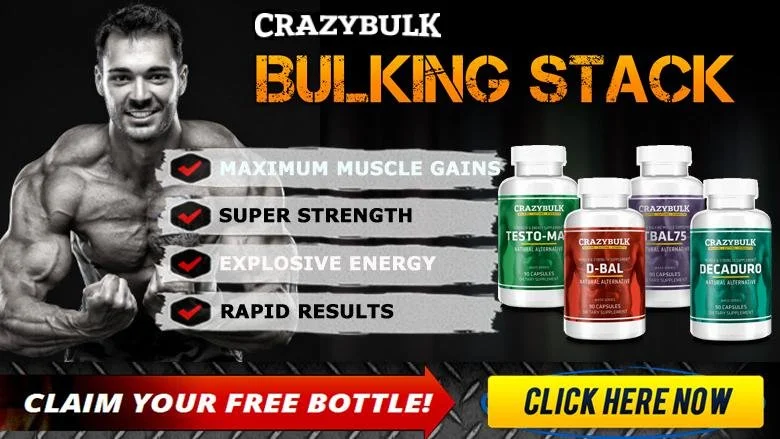
Explosive! CrazyBulk! Heck yeah - get yoked! Be careful with marketing.
What should you fix before thinking about supplements?
This is the most important section in this post.
Before adding any supplement, honestly answer these five questions:
Is my training consistent? Am I strength training at least 2-3 times per week?
How is my recovery? Am I getting 6-8 hours of sleep most nights?
How is my hydration? Am I drinking enough water throughout the day?
How is my nutrition? Am I consistently eating enough protein (0.6-1g per pound of bodyweight), fruits, vegetables, and whole foods?
How is my stress? Am I managing stress in ways that don't undermine sleep and recovery?
If the answer to any of these is no - fix that first.
People often ignore these fundamentals and spend hundreds of dollars on supplements trying to fix problems that food, sleep, and consistency would solve. That's putting a bandage on a broken leg.
Address the basics. Then consider supplements if they're still needed.
What do most people get wrong about supplements?
A few patterns come up consistently.
Thinking supplements compensate for poor habits. They don't. Creatine on top of poor sleep and inconsistent training produces very little. The same creatine on top of solid training and adequate protein produces meaningful results. The foundation matters.
Trusting marketing over evidence. Supplement companies spend enormous amounts on marketing and almost nothing on independent research. The most effective supplements - protein, creatine, vitamin D, omega-3s - are cheap, boring, and don't need much marketing because the evidence speaks for itself.
Buying cheap, unverified products. The supplement industry has a real quality problem. Cheap products often contain less than labeled, more than labeled, or ingredients not listed at all. Third-party tested products - NSF Certified for Sport, Informed Choice, or USP Verified - are the minimum standard worth paying for.
Starting with the fancy stuff. Most people who benefit from supplements benefit from protein powder and creatine. Everything else is situational. Starting with a stack of eight products before you've established whether the basics are working is backwards.
Expecting fast results. Supplements that produce meaningful results - creatine, protein, vitamin D - work gradually over weeks and months. Anything claiming dramatic results in days is overselling.
What supplements are actually worth considering?
After the basics are dialed in, a small number have enough research support to be worth considering.
Protein powder - Useful if you consistently fall short of your daily protein target through food alone. Not magic - just a convenient source of protein when food isn't accessible.
Creatine monohydrate - The most research-backed supplement for strength training. 5g per day. Safe for long-term use. Cheap. No loading phase required.
Vitamin D3 - Deficiency is extremely common in the Pacific Northwest. 1,000-2,000 IU per day. Worth testing your levels with a doctor if you're unsure.
Omega-3s (fish oil) - 1,000-3,000mg of combined EPA/DHA per day. Supports joint health and helps manage inflammation. Particularly useful if you don't eat fatty fish regularly.
Magnesium - Many people are deficient. 200-400mg per day (glycinate or citrate). May support sleep quality and muscle recovery.
Multivitamin - Basic insurance for micronutrient gaps. Not a replacement for eating well.
Everything else - fat burners, BCAAs, most pre-workouts, adaptogens, testosterone boosters - skip it. The evidence is weak, the marketing is strong, and the value for most people is close to zero.
For a full breakdown of what to take based on your specific goal, read our goal-based supplement guide.
What does this look like at bStrong?
This is what we see with members at our Bellevue and Redmond locations all the time.
Someone comes in having spent a lot on supplements - sometimes for years - while the fundamentals aren't in place. Training is inconsistent. Protein is low. Sleep is poor. The supplements aren't doing much, because they can't.
Once the training is consistent, the protein is dialed in, and sleep improves - that's when the conversation about supplements gets interesting. At that point, creatine and protein powder actually produce a noticeable difference because there's a solid foundation for them to work on top of.
We do have a partnership with Thorne for members who decide supplements make sense for their situation. Thorne is one of the most respected brands for quality and third-party testing. bStrong members get 10% off and free shipping through our link here.
Your Responsibility: You are solely responsible for researching and selecting any supplements you choose to consume. By choosing to use any supplements mentioned or implied in this guide, you acknowledge and accept the inherent risks associated with their use and agree that bStrong and its trainers are not liable for any adverse effects or consequences.
Frequently asked questions
Are supplements safe?
Some are, some aren't, and many haven't been adequately studied. The supplement industry is not regulated the same way medications are - products don't have to prove they're safe or effective before being sold. Third-party testing is the only way to verify a product contains what it claims. When in doubt, choose products with NSF, Informed Choice, or USP verification and check with your doctor before starting anything new.
Can I get all the nutrients I need from food alone?
In theory yes, in practice it's difficult for most people. The most common gaps are vitamin D (especially in low-sunlight regions), omega-3s (if you don't eat fatty fish regularly), and magnesium. Protein is often under-consumed by people who strength train. Address these through food first - supplements only if food isn't getting you there.
Are expensive supplements better than cheap ones?
Not necessarily. Price correlates more with marketing spend than quality. Some of the most effective supplements - creatine monohydrate, vitamin D3, basic fish oil - are among the cheapest available. The quality indicator that actually matters is third-party testing, not price or branding.
Should I take supplements if I'm just starting to work out?
Generally no. Build consistent training habits and eat enough protein first. Once those are established - typically after 4-8 weeks of consistent training - you can evaluate whether anything is worth adding. Most beginners see meaningful results from training and basic nutrition before supplements become relevant.
What's the difference between this post and your goal-based supplement guide?
This post answers whether you need supplements at all and what to fix first. The goal-based supplement guide answers what to take once you've decided supplements make sense for you. If you're still on the fence, stay here. If you're ready to figure out what to take, head there.
The honest answer for most people: fix your training, your protein, and your sleep first. Do that consistently for 6-8 weeks. Reassess. Most people are surprised by how much progress they make before supplements become relevant.
If you're not sure where to start - or want help building that foundation with actual coaching - our 3-week trial is the right first step. A consultation call, an Intro Ramp-Up session, 6 coached small group personal training workouts, and an InBody scan - all for $99 in Bellevue and Redmond.