
The Real Anti-Aging Benefits of Strength Training

Most people don't notice aging in decades. They notice it when things start to feel harder.
Getting up from the floor. Carrying groceries. Recovering from small aches faster than they used to. Feeling less steady going down stairs. Moving a little more cautiously than a few years ago.
It's easy to assume that's just part of getting older. A lot of it is - but a lot of it also comes down to loss of strength. And that's something you can directly influence.
Does strength training actually help with aging?
Strength training doesn't stop aging - but it slows the physical decline that makes aging feel limiting. By maintaining muscle mass, bone density, balance, and joint stability, it helps you move better, feel more capable, and stay independent for longer. The difference between an 70-year-old who has trained consistently and one who hasn't is often dramatic - not in how they look, but in what they can do.
Aging isn't the problem - loss of strength is
Aging is inevitable. Loss of strength is not.
After around age 30, adults naturally begin losing muscle mass without consistent resistance training. That process - called sarcopenia - accelerates through the 40s and 50s and contributes to lower metabolism, reduced bone density, declining balance, and less capacity for the physical demands of everyday life.
Without strength training, most adults are gradually and quietly getting weaker. The physical limitations that people associate with aging - difficulty with stairs, trouble lifting things, less confidence in movement - are often the result of that accumulated muscle loss more than the passage of time itself.
Strength training gives your body a reason to maintain those abilities. It doesn't reverse aging. It slows the physical decline that comes with it.
Bone health - one of the most underrated benefits
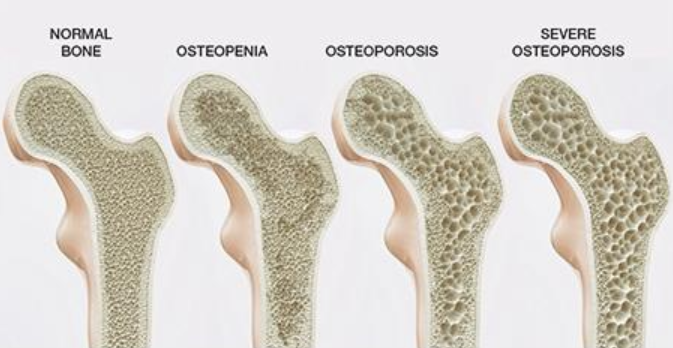
Osteoporosis and osteopenia are becoming increasingly common as the population ages, and both carry significant consequences - higher fracture risk, longer recovery times, and reduced physical independence.
Strength training is one of the most effective tools available for improving and maintaining bone mineral density. Weight-bearing resistance exercises create mechanical stress on bones, which stimulates bone-forming cells and helps maintain density over time. Research has shown meaningful improvements in bone mineral density after just a few months of consistent training.
Whether you're trying to prevent bone density loss, managing existing osteopenia, or just thinking ahead about long-term health, regular strength training directly addresses the problem at its source.
What strength helps you keep doing
This isn't about lifting heavy for its own sake. It's about staying physically capable for the things that matter.
Strength supports getting up and down from the floor with confidence, carrying groceries and luggage without strain, climbing stairs comfortably, maintaining balance and coordination that prevents falls, protecting joints with stronger surrounding muscles, and recovering from small tweaks and missteps more quickly.
Beyond the practical activities, think about the things most people want to keep doing for as long as possible - hiking, biking, kayaking, traveling, playing with grandchildren, staying active with friends. These aren't guaranteed by staying generally active. They're protected by maintaining real physical capacity.
Some things we don't think about when we're young - basic daily activities like bathing, dressing, and moving around independently - become a big deal when physical capability starts declining. Strength training is what extends the timeline on those things.
Muscle as a buffer against injury and decline
Muscle does more than move weight. It protects the body.
Stronger muscles absorb impact, reduce stress on joints, help stabilize movement patterns, and provide a margin of error when something unexpected happens - a misstep on uneven ground, a stumble on stairs, reaching for something off-balance. None of that makes you invincible, but it meaningfully improves resilience.
This is part of why the injury risk narrative around strength training gets it backwards. People worry that lifting weights will hurt them. The research consistently shows that appropriate resistance training reduces injury risk over time by building the structural support that protects joints and tissues.
The confidence and energy benefits most people don't expect
The physical changes from strength training are real. But the changes in how you feel about your body are often what people mention most.
When you feel physically capable, you trust your body more. You move with less hesitation. You say yes to physical activities you might have been avoiding. You worry less about getting hurt doing normal things. That confidence builds on itself - and it affects quality of life in ways that go well beyond what shows up in any fitness metric.
Energy is part of this too. Maintaining muscle mass supports a higher resting metabolism, which affects energy levels throughout the day. People who strength train consistently often report noticeably better energy, not just during training but in daily life.
Why staying generally active isn't always enough
Walking, hiking, and general movement are genuinely valuable. They're not a substitute for resistance training when it comes to what aging bodies need most.
Cardio helps your cardiovascular system last longer. Strength training helps your body work better. Without resistance training, many people stay reasonably active but still experience progressive muscle loss, declining balance, and increasing caution in how they move. The combination matters, but strength is the anchor.
This distinction becomes more important with each decade. Staying active in your 40s and 50s maintains fitness. Consistently including resistance training is what preserves the muscle and bone mass that determines physical independence in your 60s, 70s, and beyond.
What this looks like at bStrong
At bStrong in Bellevue and Redmond, most members training with longevity in mind are in their 40s, 50s, and 60s - working professionals with full schedules who want to stay physically capable for the long term without making training a second job.
The program is coached, full-body, and structured to build gradually over time. Every session is guided - loads and movements are scaled to where each person is right now, not where they think they should be. Progress happens through consistency and gradual progression, not by pushing harder.
Most members train 2-3 times per week and do the rest of their movement through normal life - walking, hiking, recreational activity. The strength training is the foundation that makes all of that feel better and last longer.
For a deeper guide to training specifically in midlife, read our Strength and Longevity After 40 guide.

Frequently asked questions
Is strength training safe as I get older?
Yes - and the evidence suggests it becomes more important, not less. With appropriate coaching, reasonable starting weights, and gradual progression, resistance training is safe for most adults at any age. The risks of not training - progressive muscle loss, bone density decline, reduced balance - are generally greater than the risks of training appropriately. If you have specific medical conditions, discuss with your physician before starting.
Do I need to lift heavy weights to get the anti-aging benefits?
No. The benefits come from consistent progressive resistance, not from any particular weight. Starting with lighter weights and gradually increasing over time as strength improves is the right approach for most people - and it produces the same adaptations in muscle and bone as heavier training does when the progression is consistent. Heavier weights come naturally over time as you get stronger.
Is it too late to start if I haven't been training?
No. Muscle and bone respond to resistance training at any age. People in their 60s, 70s, and even 80s make meaningful strength and muscle gains from consistent training. The earlier you start the better, but starting later is significantly better than not starting at all. There's no age at which the benefits stop.
How does this relate to weight loss specifically?
The primary case for strength training as an anti-aging tool isn't weight loss - it's maintaining physical function, bone density, muscle mass, and quality of life. Body composition often improves as a result of consistent training, but that's a side effect rather than the main point. Someone who trains for function and longevity tends to look and feel better than someone who trains exclusively for appearance.
How often do I need to train to see the anti-aging benefits?
Two to three full-body sessions per week is the right starting point for most adults. That's enough to produce meaningful adaptations in muscle mass, bone density, and functional strength. Consistency over months and years matters more than any particular frequency - two sessions per week done consistently produces dramatically better outcomes than five sessions per week done sporadically.
How is this different from the Strength After 40 guide?
This post covers the case for why strength training matters for aging - what it does and why it's worth prioritizing. The Strength and Longevity After 40 guide is a comprehensive training blueprint for people in midlife who are ready to build a program around those goals. If you're convinced and want the practical detail, that's the next read.
If staying strong, capable, and physically independent matters to you - not just for the next year but for the next decade - strength training should be a consistent part of your routine.
Our 3-week trial is a practical starting point. A consultation call, an Intro / Ramp Up session, 6 coached small group personal training workouts, an InBody scan, and practical nutrition resources - all for $99 at our Bellevue and Redmond locations.