
Strength Training on Ozempic or Wegovy (and Other GLP-1 Medications)
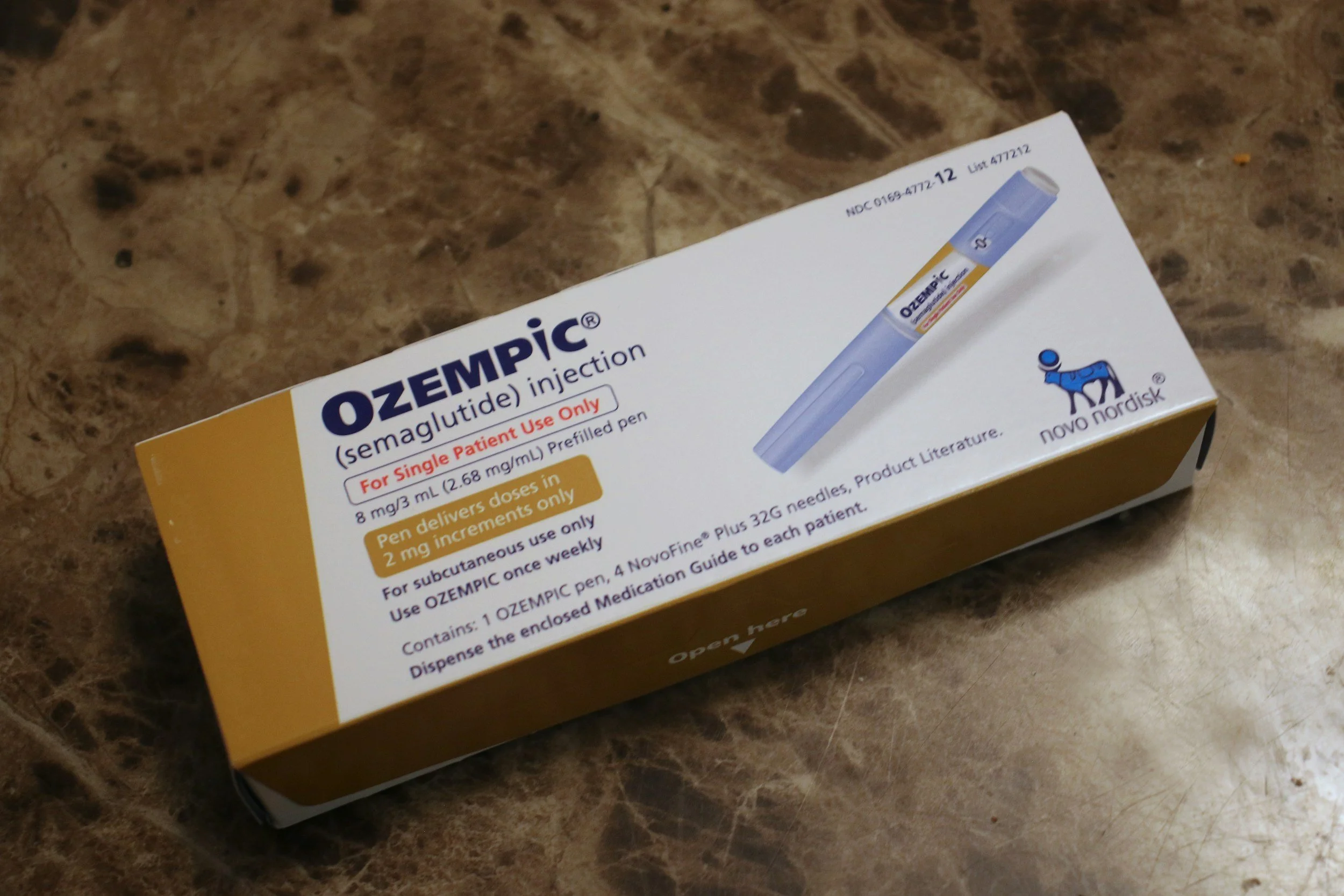
Referred by your provider or clinic? You're in the right place.
If you're on Ozempic, Wegovy, Mounjaro, Zepbound, or another GLP-1 medication, strength training is one of the most important things you can do to protect muscle while your body changes. At bStrong, we coach beginners and returning exercisers in small groups at our Bellevue and Redmond locations. No prior gym experience needed.
What happens next?
Book a short consultation call - free, no obligation
Tell us where you're starting and what you're working toward
Start the 3-week trial if it feels like a fit
Get an InBody scan, 6 coached workouts, and a low-pressure Intro / Ramp Up session to get comfortable first
You're on Ozempic, Wegovy, Mounjaro, or Zepbound. It's working. The scale is moving, your appetite is down, and now you're wondering what you should actually be doing in the gym.
The short answer: strength training.
Weight loss is only part of the picture. You also want to protect muscle, strength, and function while your body changes. This page gives you the full overview and links to our detailed guides on each piece.
Strength training is the most important exercise you can do while on Ozempic, Wegovy, Mounjaro, Zepbound, or any other GLP-1 medication. When your body is losing weight - especially rapidly - it doesn't automatically distinguish between fat and muscle. Without the signal that comes from regular resistance training, a meaningful portion of the weight lost can come from muscle rather than fat.
Strength training sends a clear signal: keep this muscle, I'm using it.
Two to three full-body strength sessions per week is enough to meaningfully protect muscle mass during weight loss. You don't need to train every day or push to exhaustion. You need consistency and progressively structured training.
What does strength training do when you're on a GLP-1 medication?
Most people starting a GLP-1 medication are focused on the scale. That's understandable. But muscle loss during weight loss has real consequences that show up over time.
Your metabolism. Muscle burns more calories at rest than fat does. Less muscle means a slower metabolism, which makes it harder to maintain weight loss long term - even while on the medication.
Your energy and function. Muscle supports everyday movement - stairs, carrying groceries, staying active without fatigue. Losing it makes everything gradually harder.
How you look and feel. Most people want to lose fat and look leaner, not just smaller. Without strength training, the result of rapid weight loss is often described as "smaller but softer" rather than the lean, defined result most people are after.
Long-term health. Muscle protects bones, joints, and metabolic health as you age. The choices you make now have compounding effects over years.
Strength training addresses all of these. It's not optional when you're on a GLP-1 - it's what makes the weight loss work the way you want it to.
Why does muscle matter on a GLP-1?
Research consistently shows that people losing weight without strength training can lose a significant portion of that weight as muscle rather than fat. GLP-1 medications accelerate this risk because weight loss can happen faster than the body would naturally adapt.
The research also shows that consistent resistance training - even at moderate intensity - preserves the majority of muscle mass during weight loss when combined with adequate protein intake.
We apply this directly in how we program for members on GLP-1 medications at bStrong. The training approach is conservative by design: full-body sessions 2-3 times per week, compound movements that recruit large muscle groups, gradual weight progression, and real-time adjustments based on how you're feeling on any given day.
Note: We're coaches, not medical providers. Everything on this page is about the exercise and training component of your health. Always work with your doctor or care team on decisions related to your medication and overall health plan.
What the research shows
Most people on GLP-1 medications notice that exercise feels different than it did before - sometimes harder, sometimes more unpredictable. This is normal and worth understanding.
Energy is lower. Eating significantly less means less fuel for training. Sessions may feel harder than they used to at the same weights. This is expected, not a sign that something is wrong.
Recovery takes longer. With less food coming in, your body has fewer resources to repair between sessions. What used to take 24 hours to recover from may now take 48.
Appetite suppression affects protein. When you're not hungry, protein is often one of the hardest nutrition targets to hit. If you know protein matters but are struggling to eat enough, read our guide to hitting your protein goal when you have no appetite on a GLP-1.
Energy is unpredictable day to day. Good days and hard days are part of the process on a GLP-1 medication. Training needs to be flexible enough to account for that - reducing load on hard days rather than pushing through.
Understanding these dynamics means you can train smarter rather than harder - and get better results because of it.
How training feels different on a GLP-1
Every GLP-1 resource we've written comes back to two fundamentals.
Consistent strength training. Two to three full-body sessions per week. Compound movements - squats, deadlifts, presses, rows. Gradual progression over weeks and months. Adjustments on days when energy or recovery is lower than usual.
Adequate protein intake. Aim for 0.6-1g of protein per pound of goal bodyweight per day - toward the higher end if you're actively trying to preserve or build muscle. Protein becomes harder to hit when appetite is suppressed by GLP-1 medications, which means it requires more intentionality than it did before.
These two things working together are what produce the outcome most people are looking for: losing fat while keeping strength, muscle, and energy.
The two things that matter most
These posts cover each piece of the picture in more detail.
GLP-1s and Strength Training: How to Preserve Muscle: The full guide to why muscle loss happens on GLP-1 medications, what it costs you, and how structured strength training addresses it. Start here if you're new to the topic.
How Much Protein Do You Need on a GLP-1?
How to estimate a useful protein target, why protein matters during weight loss, and which foods make it easier to get enough.
How to Adjust Your Workouts on Ozempic or Wegovy: Practical guidance on adjusting training when energy is lower, weight loss is rapid, and recovery is unpredictable. Covers what to do on hard days, how to know if you're losing muscle, and what a realistic weekly training schedule looks like.
What to expect at your first workout: If you're just getting started - or coming back after years away - your first workout should feel coached, manageable, and adjustable. Not a bootcamp test. Here's exactly what to do beforehand, what the session will feel like, and what the first few weeks look like when your energy and appetite aren't predictable yet.
No Appetite on a GLP-1? How to Still Hit Your Protein
Know you need protein but struggling to actually eat enough? This guide focuses specifically on low appetite, including smaller portions, protein shakes, protein-first meals, and strategies for the days when food just doesn't sound good.
Go deeper on each topic
We work with members on GLP-1 medications - including Ozempic, Wegovy, Mounjaro, and Zepbound - at our Bellevue and Redmond locations. The training approach is the same as for any member - full-body strength training, tracked weights, coached sessions - with adjustments made for where someone is in their GLP-1 journey.
Here's what that looks like in practice:
Before your first session, your coach learns about your health history and any limitations or goals relevant to your situation. That shapes how sessions are programmed from the start.
Your weights are tracked every session. If strength is holding steady or increasing while bodyweight drops, that's the signal the training is working. If strength is dropping consistently, your coach flags it and helps you adjust.
On lower-energy days, your coach reduces the load and keeps the session productive without depleting you. You don't have to decide how much to pull back - that's the coaching.
Sessions run 50 minutes with a structured format. No guessing, no decision fatigue. You show up and follow the plan.
Groups stay small - 2-6 people per session - which means your coach can actually watch how you're moving and give you specific feedback.
Most members who come in while on a GLP-1 medication say the same thing a few months in: they're getting stronger while losing weight, which is exactly what the research says should happen with consistent training and adequate protein.
Want to start safely and know exactly what you're doing from day one?
Our 3-week trial includes a consultation call, Intro / Ramp Up session, 6 coached Small Group Personal Training workouts, an InBody body composition scan, and practical nutrition resources.
What this looks like at bStrong
This approach is a good fit if you:
Are currently on Ozempic, Wegovy, Mounjaro, Zepbound, or another GLP-1 medication and want to make sure the weight you lose is fat, not muscle
Want structured, coached training rather than figuring it out on your own
Can commit to 2-3 sessions per week consistently
Understand that building or preserving muscle takes weeks and months, not days
Are working with a doctor who supports strength training alongside your medication
Who this works best for
Does this apply if I'm on Mounjaro or Zepbound, not Ozempic or Wegovy?
Yes. All GLP-1 receptor agonist medications work through similar mechanisms - appetite suppression, slowed digestion, and resulting calorie reduction. The training and nutrition principles on this page apply regardless of which specific medication you're taking. The same muscle preservation risks and the same solutions apply across all GLP-1 medications.
Do I need to change how I train while on a GLP-1?
Yes, but not dramatically. The fundamentals of good strength training don't change. What changes is how you manage energy and recovery as your body adjusts to lower calorie intake. The main adjustments are reducing training intensity on low-energy days rather than skipping sessions, keeping sessions efficient rather than long, and making protein intake a deliberate priority. Read our guide to adjusting your workouts on Ozempic or Wegovy for specifics.
How much protein do I need on a GLP-1 medication?
Aim for 0.6-1g of protein per pound of goal bodyweight per day - toward the higher end if muscle preservation is a priority. GLP-1 medications suppress appetite significantly, which makes hitting this target harder than it would be otherwise. High-protein, low-volume foods like Greek yogurt, cottage cheese, eggs, and protein shakes are the most practical options. Read our guide to hitting protein goals on Ozempic or Wegovy for a full breakdown.
Is it safe to strength train while on a GLP-1 medication?
For most people, yes - but always confirm with your doctor first, especially if you have other health conditions. The main considerations are managing energy levels and making sure you're eating enough to fuel training sessions. Your coach can adjust session intensity based on how you're feeling, but your doctor should be your first point of contact for any questions about exercise clearance.
What results can I expect from strength training while on a GLP-1?
Most people who train consistently and hit their protein targets while on a GLP-1 medication see their strength hold steady or increase even as bodyweight drops. That's the sign you're preserving muscle. Visible changes in body composition - looking leaner and more defined rather than just smaller - typically become noticeable between weeks 6-12 of consistent training. We're coaches, not medical providers, and individual results vary based on many factors including medication, nutrition, sleep, and consistency.
For providers
bStrong does not provide medical advice or manage medications. We provide coached strength training and beginner-friendly fitness support for patients who are ready to start exercising.
Our model is a practical fit for patients who are new to strength training, need a structured starting point, want body composition tracking beyond scale weight, or need coaching adjustments for lower-energy days.
Questions? Email train@bstrong.com
Frequently asked questions
How to get started
The first step is a consultation call. There's no obligation - just a conversation about where you are, what you're working toward, and whether bStrong is the right fit for your situation.
If it makes sense to move forward, we'll get you started with our 3-week trial - 6 coached small group personal training sessions, an Intro / Ramp-Up session on Saturday to get comfortable before jumping into regular workouts, an InBody scan to establish your muscle mass baseline, and practical nutrition resources to support your protein intake.
The InBody scan is worth noting specifically for GLP-1 users - it measures muscle mass directly, not just bodyweight, so you have a clear baseline to track against as you train and the medication does its work.