
10 Foods That Support Muscle Growth and Recovery
If you're trying to build muscle, what you eat matters. Not because you need a perfect diet, but because better food choices make it easier to recover between sessions, train consistently, and keep getting stronger over time.
These ten foods are among the most practical and protein-rich options for most people - a reliable starting point for building meals that actually support your training.
What does your diet need to support muscle growth?
Building muscle requires consistent protein intake to support repair and growth, carbohydrates to fuel training and replenish energy, and healthy fats for hormone function and overall health. For most adults training 2-3 times per week, the most important priority is getting enough protein consistently throughout the day - roughly 25-35 grams at each main meal. The specific foods matter less than hitting those targets with foods you'll actually eat regularly. The ten below are a reliable place to start.
Eggs
Eggs are one of the most complete protein sources you can eat. They contain all nine essential amino acids your body needs for muscle repair, and they're easy to prepare in advance, portable as hard-boiled eggs, and versatile across meals and snacks.
Two whole eggs provide roughly 12-14 grams of protein. Pair with egg whites, Greek yogurt, or cottage cheese to build a full 25-30 gram meal. One of the most practical foods on this list for consistency.
Chicken breast
Chicken breast is one of the leanest, highest-protein foods available - roughly 25-30 grams of protein per 3-4 oz serving with very little fat. It's also a good source of B vitamins that support energy and how well your body uses protein.
The practical advantage: it's relatively inexpensive, easy to batch cook, and works across a wide range of meals. Rotisserie chicken is a useful shortcut for busy weeks - already cooked, already portioned, and ready to add to whatever you're eating.
Greek yogurt
Greek yogurt contains two types of protein - whey and casein - which support muscle recovery over a longer window than a single protein type alone. A cup of plain Greek yogurt typically provides 15-20 grams of protein, with some brands reaching 20-25 grams.
Choose plain over flavored to keep added sugar low, then add your own fruit if needed. Works as a snack, a breakfast base, or a post-workout option. For more snack ideas built around Greek yogurt, read our best snacks for muscle building and recovery post.
Salmon
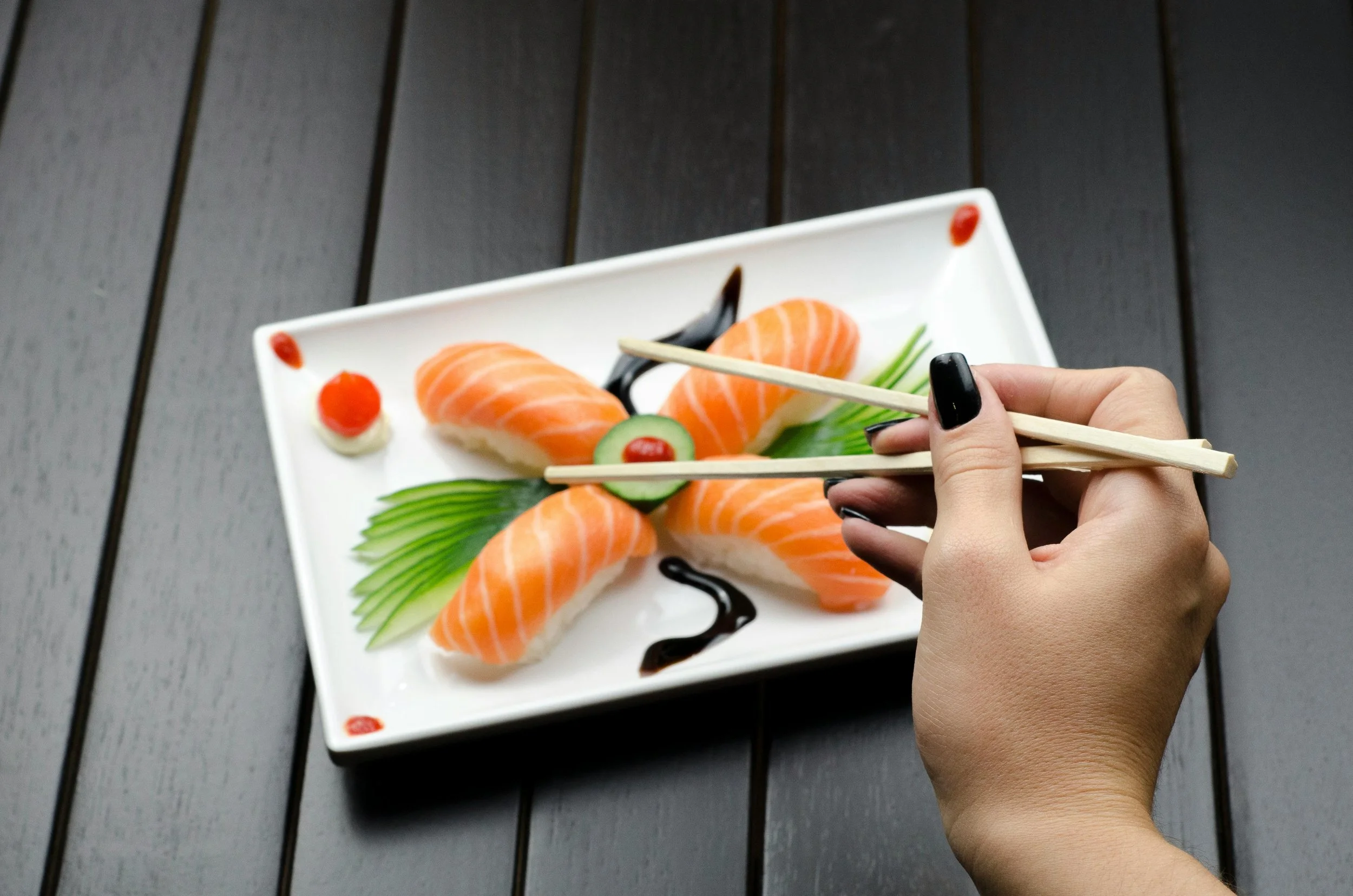
Salmon provides high-quality protein - roughly 22-25 grams per 3 oz serving - alongside omega-3 fatty acids that help reduce inflammation from training and support recovery. Most protein-dense foods don't also come with significant anti-inflammatory properties, which makes salmon worth including if you eat fish.
Canned salmon is a practical and affordable option if fresh salmon doesn't fit the budget or schedule. Aiming for fatty fish a couple of times per week is a reasonable target for most people who eat fish.
Lean beef
Lean beef provides protein alongside iron, zinc, and B vitamins that are harder to get in the same combination from other foods. The iron in beef is also easier for your body to absorb than the iron in most plant foods - which matters for energy and training performance, particularly for women.
Ground beef (90% lean or leaner), sirloin, and eye of round are good options that balance protein content with moderate fat. Beef also contains naturally occurring creatine, a compound your muscles use for energy during high-intensity efforts.
Cottage cheese
Cottage cheese is one of the highest-protein foods by volume - a cup typically provides 25-28 grams - and it's made up primarily of casein protein, which digests slowly and releases amino acids steadily over several hours.
That slow digestion makes it particularly useful before bed, when muscle repair is happening and your body benefits from a steady protein supply. It also works well as a snack or meal component throughout the day. For more on how to use cottage cheese specifically, read our best snacks post.
Quinoa
Quinoa is one of the few plant-based carbohydrate sources that contains all nine essential amino acids, which makes it more complete as a protein source than most grains. A cup of cooked quinoa provides roughly 8 grams of protein alongside complex carbohydrates and magnesium.
It's not a primary protein source - the protein per serving is lower than animal foods. But as a carbohydrate base for meals, it adds protein that most other grains don't. Useful for people building more plant-forward meals or looking for variety beyond rice.
Almonds
Almonds provide protein, healthy fats, and vitamin E - an antioxidant that helps your body handle the oxidative stress that comes with regular training. An ounce (roughly 23 almonds) provides about 6 grams of protein and 14 grams of healthy fat.
The protein per serving is lower than the animal-based options on this list, so almonds work best as a complement to a primary protein source rather than the main event. A handful paired with Greek yogurt, cottage cheese, or a protein shake creates a more complete snack. The fat content also helps with satiety and steadier energy.
Sweet potatoes
Sweet potatoes are one of the better carbohydrate sources for people training regularly. They provide complex carbohydrates for sustained training energy, potassium to support muscle function, and beta-carotene for immune and recovery support.
Carbohydrates are the primary fuel for strength training. Getting enough of them - particularly around training - directly supports how hard you can train and how well you recover afterward. Sweet potatoes work well as a pre-training meal or as part of a post-workout meal.
Lentils
Lentils are one of the most protein-dense plant-based foods available - a cup of cooked lentils provides roughly 18 grams of protein alongside significant fiber and iron. They're also one of the more affordable options on this list.
For people reducing meat intake, eating more plant-based meals, or simply adding dietary variety, lentils are a reliable staple. They work well in soups, stews, curries, or as a base for grain bowls. Pairing lentils with a dairy or egg source in the same meal rounds out the overall protein quality.
How these foods fit into a practical eating approach
These foods aren't a rigid meal plan. They're building blocks.
Most members at our Bellevue and Redmond locations who make the most consistent progress aren't following complicated diets. They're doing a few things consistently: building most meals around a protein source first, including carbohydrates to fuel training and recovery, and keeping the approach simple enough to repeat on busy weeks.
A practical daily structure for most people training 2-3 times per week looks like: a solid protein source at every main meal, a protein-forward snack when needed, carbohydrates around training sessions, and enough overall food to support the training load without constantly running on empty.
For more on how to put this together practically, read our protein guide, our nutrition for strength and recovery guide, and our post-workout nutrition guide.
Frequently asked questions
How much protein do I actually need to build muscle?
For most adults training 2-3 times per week, a useful starting range is 0.6-1.0 grams of protein per pound of ideal body weight per day. A simpler starting point: aim for 25-35 grams of protein at each of your three main meals. Consistency across the day matters more than hitting a precise number. For the full breakdown, read our protein guide.
Do I need to eat differently on training days?
Somewhat. Adequate carbohydrates before and after training support performance and glycogen replenishment. On rest days, protein intake remains equally important - muscle repair happens between sessions, not just immediately after. Total daily protein is more important to get right than precise meal timing on most days.
Can I build muscle on a mostly plant-based diet?
Yes, with attention to overall quantity and food combinations. Plant proteins are generally slightly lower in key amino acids and absorbed less efficiently than animal proteins, so total intake may need to be a bit higher. Combining different plant sources - lentils with quinoa, for example - and including dairy or eggs where possible helps cover the full range of amino acids you need.
Do I need supplements to support muscle growth?
Not necessarily. The foods on this list cover what most people need without supplementation. Protein powder is a convenient way to hit protein targets when food isn't practical - it's a useful tool, not a requirement. Creatine is the most consistently evidence-backed supplement for strength and muscle gain if you want to add one. Both sit on top of a solid food foundation, not in place of it.
How often should I eat to support muscle building?
Total daily protein and calorie intake matters more than meal frequency. That said, spreading protein across 3-4 meals rather than eating most of it at one meal appears to support better muscle repair and recovery throughout the day. Three solid meals with 25-35 grams of protein each covers most people well without requiring constant eating or tracking.
What's the single most impactful nutrition change for someone starting strength training?
Getting enough protein consistently. Most people who start training don't change their eating at all and then wonder why progress is slow. Building meals around a protein source first - using the foods above as the foundation - is the most impactful single shift. Everything else is secondary to that.
Good nutrition and consistent training work together. Neither fully compensates for gaps in the other.
If you want coached strength training plus practical nutrition resources that fit real life, our 3-week trial is a great place to start. A consultation call, an Intro / Ramp Up session, 6 coached small group personal training workouts, an InBody scan, and practical nutrition resources - all for $99 at our Bellevue and Redmond locations.