
How to Lose Fat Without Feeling Hungry All the Time
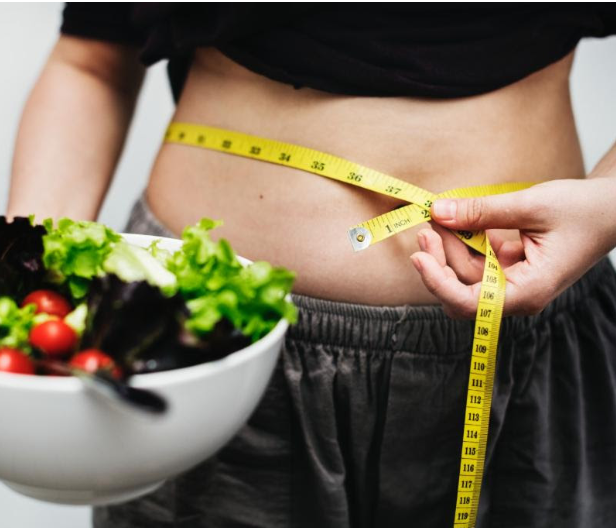
Research shows that holding a salad while fumbling around with a tape measure leads to inaccurate measurements.
If every fat-loss attempt leaves you starving, cranky, and thinking about food all day, the plan probably isn't built to last.
Fat loss usually requires some kind of calorie deficit. That means you may feel mild hunger sometimes - that's normal and expected. But you should not feel miserable all day, constantly fighting cravings, or thinking about food every hour.
The better goal: create enough of a deficit to make progress while eating in a way that keeps you full, fueled, and consistent enough to repeat.
What's the short answer?
To lose fat without feeling hungry all the time, build your meals around protein, fiber, and mostly whole foods. Drink enough water, get enough sleep, and avoid cutting calories so aggressively that you can't sustain the plan. Some mild hunger is normal during fat loss. Constant hunger, low energy, and cravings all day are signs the approach needs to change.
If you're in Bellevue or Redmond and keep ending up hungry, tired, or inconsistent with fat loss, this is exactly the kind of thing we help people simplify at bStrong.
Why "dieting" usually makes hunger worse
The term "diet" implies deprivation and temporary changes. And that's how most people approach it: cut everything, eat as little as possible, white-knuckle it through the week.
The pattern usually looks like this: cut calories aggressively, skip meals, survive on coffee and willpower, eat low-calorie snacks that never satisfy, then reach the end of the day completely starving. That leads to extra snacking at night, overeating on weekends, and eventually quitting the plan - feeling like it's a discipline problem when it's actually a structure problem.
Constant hunger during fat loss is usually a sign the approach is too aggressive, not that you need more willpower.
Fat loss should not feel like punishment
There's a meaningful difference between "I'm a little hungry because I'm in a reasonable calorie deficit" and "I'm miserable, exhausted, and thinking about food constantly." The first one is normal. The second is a red flag that the plan isn't sustainable.
A good fat-loss approach should still let you train well, sleep reasonably well, have enough energy for work and life, eat meals you actually enjoy, and repeat the plan for more than a few days. If it only works when life is perfect, it's not a very good plan.
What to add so fat loss feels easier
Most people start fat loss by asking: "What do I need to cut out?" A better first question is often: "What do I need to add so this feels easier?"
1. Protein at most meals
Protein is the single biggest lever for making fat loss feel more manageable. It keeps you full longer, reduces cravings, supports muscle while you're losing fat, and makes meals feel more satisfying.
Most meals should include a real protein source. Good options: eggs, Greek yogurt, cottage cheese, chicken, turkey, lean beef, fish, tofu, tempeh, protein smoothies, beans or lentils paired with other protein sources.
Simple check: does this meal have enough protein to actually keep me full? If the answer is usually no, start there.
For a simple breakdown of how much you need: Protein Made Simple
2. Fiber so meals feel bigger
Fiber helps meals feel more filling and satisfying. A 400-calorie meal with protein and fiber will keep you full much longer than a 400-calorie snack that disappears in 90 seconds. Good fiber sources: vegetables, fruit, beans, lentils, oats, potatoes, whole grains.
Simple rule: make half your plate fruits and vegetables at lunch and dinner most days. You don't need to eat salads all day - you just need some volume, texture, and nutrients in your meals.
3. Mostly whole foods
Ultra-processed foods are easy to overeat. They taste good, go down fast, and don't keep you full. Whole and minimally processed foods give you more protein, fiber, water, chewing, volume, and nutrients for the same calories.
Simple swaps: potatoes instead of chips, fruit instead of candy, Greek yogurt instead of a small sweet snack, a real lunch instead of grazing all afternoon. You don't need to eat perfectly clean - but if most of your food comes from things that are easy to overeat, hunger and cravings will be harder to manage.
4. Enough water
Being under-hydrated makes everything feel harder, including hunger and cravings. Your body can mistake mild dehydration for hunger. Drink water throughout the day, have water with meals, and check hydration before assuming you need more food.
Liquid calories are also worth auditing - soda, juice, sweet coffee drinks, energy drinks, and alcohol often add significant calories without making you feel full.
5. Enough sleep
Poor sleep makes hunger and cravings significantly harder to manage. After a short night, you're more likely to want sugar, salty snacks, larger portions, and less movement. You don't need perfect sleep - you need enough recovery for the plan to work.
Simple starting points: keep your room cool and dark, stop scrolling right before bed, keep bedtime and wake time somewhat consistent.
For more on this: Why Sleep Is Your Superpower
6. Meal structure instead of grazing
A lot of people who feel hungry all day are not eating real meals. They're grazing - a bite here, a snack there, coffee, a bar, a handful of something, then a huge dinner. That pattern makes hunger feel chaotic.
A better structure: breakfast with protein, lunch with protein and vegetables, a planned snack if genuinely needed, and a dinner satisfying enough to stop the night-snacking cycle. If every day is random, hunger usually feels random too.
You still need a calorie deficit
You can eat protein, vegetables, and whole foods and still eat too much for fat loss. Calories matter. But the goal isn't to obsess over every number forever - it's to build meals and habits that make a reasonable deficit easier to maintain without feeling miserable.
For more on this: Why Calories Aren't the Most Important Thing to Track
A simple 14-day starting plan
Before overhauling everything, do this for two weeks:
Protein at breakfast and lunch most days
Vegetables at lunch and dinner most days
One planned snack with protein or fiber if you need it
Water with meals and mid-afternoon
One sleep improvement - same bedtime, phone off earlier, cooler room
Do that consistently. Then adjust from there.
What this looks like at bStrong
At bStrong in Bellevue and Redmond, we don't coach fat loss by telling people to starve themselves or chase the hardest workout possible. For most members the focus is strength training 2-3 times per week, protein at most meals, meals that actually keep you full, weekends and evenings that don't undo the week, and tracking progress with strength, consistency, energy, and body composition - not just scale weight.
The goal isn't a perfect diet. It's a repeatable system.
How this usually starts at bStrong
The first step is a consultation call. We'll talk through your goals, what you've tried before, what usually throws you off, and where nutrition feels hardest. From there, most people start with our $99 three-week trial.
Frequently asked questions
Can you lose fat without feeling hungry?
You probably won't feel completely full all the time. Mild hunger can happen during fat loss and that's normal. The goal is to avoid constant hunger, low energy, and cravings that make the plan impossible to repeat. Building meals around protein, fiber, and whole foods makes a meaningful deficit feel much more manageable than cutting calories alone.
What foods help keep you full during fat loss?
Protein-rich foods, high-fiber carbs, fruits, vegetables, beans, lentils, potatoes, oats, Greek yogurt, eggs, lean meats, fish, and tofu. Meals built from mostly whole foods will generally keep you fuller longer than the same calories from processed snack foods.
Is snacking bad when you're trying to lose fat?
No. The issue is random grazing that never satisfies you. A planned snack with protein or fiber - Greek yogurt, a hard-boiled egg, fruit with nut butter - works much better than picking at low-satiety foods all day. If you're genuinely hungry between meals, a planned snack is better than white-knuckling it until dinner and overeating.
Do I need to count calories to lose fat?
Not always. Some people benefit from tracking for awareness, especially early on. Others do better focusing on protein, meal structure, food quality, and consistency. Calories matter but they don't need to be the only thing you track or the center of your entire approach.
Why am I so hungry when I try to lose weight?
The most common reasons: cutting calories too aggressively, not eating enough protein, skipping meals and grazing instead, sleeping poorly, relying too much on processed foods, or trying to be too strict too fast. Most of these are structure problems, not discipline problems.
What if I do well during the week and overeat on weekends?
That usually means the weekday plan is too restrictive or too under-fueled. Instead of trying to be perfect Monday through Thursday, build a plan you can carry through the weekend without feeling like you need to compensate for anything. The goal is a sustainable weekly average, not four perfect days followed by three chaotic ones.
If fat loss keeps feeling miserable - constant hunger, low energy, losing control on weekends - you probably don't need a stricter plan. You need a better-structured one.
Our 3-week trial includes practical nutrition resources alongside 6 coached Small Group Personal Training workouts, a consultation call, an InBody scan, and an optional Intro / Ramp Up session - all for $99 at our Bellevue and Redmond locations.