
Protein Made Simple: How Much You Need and How to Actually Hit It
If you've ever tried to "eat more protein" and immediately felt overwhelmed - you're not alone.
Most people either get stuck in math (grams, macros, tracking), or they try to overhaul everything at once and it lasts about three days.
Here's the simple truth: protein can help you recover better, build strength, and stay fuller between meals - especially if you're training 2-3 times per week. This post covers a simple way to estimate how much you need, a few easy targets to aim for, and realistic ways to hit it without turning eating into a full-time job.
How much protein do you need if you're strength training?
A useful target range for many adults who strength train is about 0.6-1.0 grams of protein per pound of ideal body weight per day. We use ideal body weight here because for people with a lot of weight to lose, current body weight can push the number higher than it needs to be - this gives a more realistic target without making the goal feel extreme.
If you don't want to do the math, here's the simpler version: aim for 25-35 grams of protein at each of your three main meals. That gets most people to 75-105 grams per day - a meaningful upgrade for most busy adults without requiring any tracking. Sports nutrition guidance for exercising adults generally supports higher protein intake than the basic sedentary recommendation, and spreading it across meals is a practical way to get there.
You don't need a perfect number. You just need to move from low and inconsistent to steady and decent.
Why protein matters when you're training
Protein supports a few things most busy adults actually care about:
Better recovery between workouts - less soreness, more ready for the next session
More strength and muscle over time - protein provides the raw material for muscle repair and growth
Feeling fuller so you're not starving at 3pm - protein is the most satiating macronutrient
Holding onto muscle when fat loss is the goal
If you're getting back into training after time off, protein is one of the easiest nutrition levers to improve without doing anything extreme. For the bigger picture on eating to support training, read our nutrition for strength and recovery guide.
The simplest way to actually hit your protein goal
Most people fall short not because they don't care, but because they try to wing it. A simple structure works better.
Step 1 - Pick your protein anchors
Choose 2-3 protein foods you actually like and will eat consistently. The best protein source is the one you'll actually eat regularly.
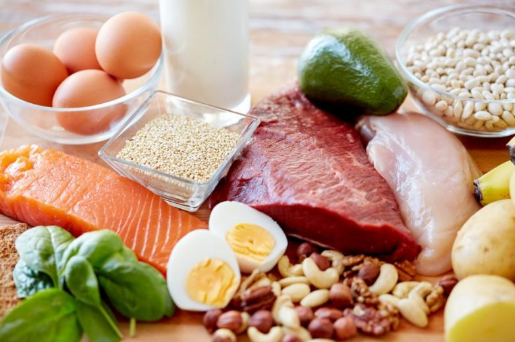
If you cook: chicken, ground turkey, eggs, salmon, lean beef
If you meal prep: rotisserie chicken, hard-boiled eggs, Greek yogurt, cottage cheese
If you're always rushed: protein shakes, Greek yogurt cups, tuna packets, beef jerky, turkey wraps
Step 2 - Build the meal around the protein
Most people build a meal first and add protein as an afterthought. Flip that. Start with the protein source, then fill in around it.
Simple plate: protein + fruit or vegetable + carb + fat. You don't need every meal to be perfect. You just need protein to stop being the part you forget.
Step 3 - Make one meal per day effortless
Most busy adults do better when one meal is basically on autopilot - something fast, repeatable, and protein-forward that still works when the day gets chaotic.
Good options: Greek yogurt bowl, protein shake with a banana, rotisserie chicken with a bagged salad, cottage cheese with fruit, egg scramble with toast. Not fancy. Just consistent.
What does 25-35 grams of protein actually look like?
Rough real-world estimates:
4-5 oz chicken, turkey, or lean beef: 25-35g
1 cup Greek yogurt: 15-20g (some brands higher - check the label)
1 cup cottage cheese: 25-30g
1 can tuna: 25-30g
1 scoop protein powder: 20-30g (check label)
2 whole eggs: ~12g (add egg whites to boost)
Firm tofu: varies by brand, often 30-40g per block
A palm-sized portion of most protein sources lands roughly in the 25-35g range. You don't need to weigh everything - rough estimates used consistently get most people most of the way there.

Common problems and fixes that actually work
"I'm not hungry in the morning." That's normal. Start small - a shake, yogurt, or two eggs. You're not trying to force a big breakfast. You're just trying to stop starting the day with zero protein.
"I hit protein at dinner but not earlier." Most people do. Make lunch the priority. A 30g lunch changes the whole day's intake.
"I don't want to track." You don't need to. Protein at 2-3 meals per day, palm-sized portion each time. That's enough for most people to make real progress.
"I'm trying but it's still coming up low." That usually means you need one more easy option. Add one protein booster per day - a shake, Greek yogurt cup, cottage cheese, beef jerky, or a turkey wrap. One easy addition usually moves the number a lot.
What this looks like at bStrong
At bStrong in Bellevue and Redmond, most members don't need a complicated nutrition plan. For most people, the goal is a simple target that makes sense and a few realistic habits they can stick to while training 2-3 times per week.
More protein consistency means better recovery, better training quality, and less guesswork. You can make progress without eating perfectly - but when protein gets more consistent, training usually starts feeling better fairly quickly.
For more on meal timing around your workouts, read our pre-workout nutrition guide and post-workout nutrition guide.
What usually improves first
When people get more consistent with protein, a few things tend to improve early:
In the first 2-4 weeks: Less afternoon hunger, more stable eating patterns through the day, recovery starting to feel better between sessions.
In the 4-8 week range: Strength feels more consistent session to session, soreness is easier to manage, body composition may start shifting in the direction you want - especially when training and overall eating habits are also in a reasonable place.
That doesn't happen because protein is magic. It happens because better protein intake supports better training, better recovery, and better consistency over time. For more on what to expect from consistent training, read our consistency system guide.
Frequently asked questions
Do I need to track macros to get enough protein?
No. Most people do well just aiming for protein at 2-3 meals per day using simple repeatable foods. Tracking can help some people, but it's not required to make meaningful progress.
What if I'm trying to lose fat?
Protein matters even more for fat loss. It helps you maintain muscle while in a calorie deficit, helps with fullness so hunger is easier to manage, and supports the strength training that improves body composition. Higher protein intakes are especially useful for retaining lean mass during dieting. For more on this, read our fat loss guide.
What if I don't eat meat?
No problem. Greek yogurt, cottage cheese, eggs, tofu, tempeh, edamame, beans, lentils, and protein powder can all help you hit solid intake. Plant-based sources generally have slightly lower protein per calorie than animal sources, so combining a few throughout the day helps.
Can I eat too much protein?
For most healthy adults, the ranges above are generally considered safe when training regularly. The International Society of Sports Nutrition notes that higher protein intakes are not generally detrimental to kidney function in healthy, active people. If you have kidney disease or another medical condition that affects protein metabolism, check with your doctor before significantly increasing intake.
When is the best time to eat protein?
Getting enough protein across the full day matters more than obsessing over one perfect timing window. That said, spreading protein across 2-3 meals works well for most people, and having some protein before or after training is useful. For more on timing specifically, read our pre-workout and post-workout guides.
What's the easiest protein source to add to an existing routine?
Greek yogurt, cottage cheese, and protein shakes are the most consistently useful for busy adults - high protein, little or no prep required, and easy to fit into any meal or as a snack.
If you want coached strength training plus practical nutrition resources that fit real life, our 3-week trial is a great place to start.
It includes a consultation call, an Intro Ramp-Up session, 6 coached small group personal training workouts, an InBody scan, and practical nutrition resources - all for $99 at our Bellevue and Redmond locations. No long-term commitment.