
How to Get Enough Protein on a Vegetarian or Vegan Diet
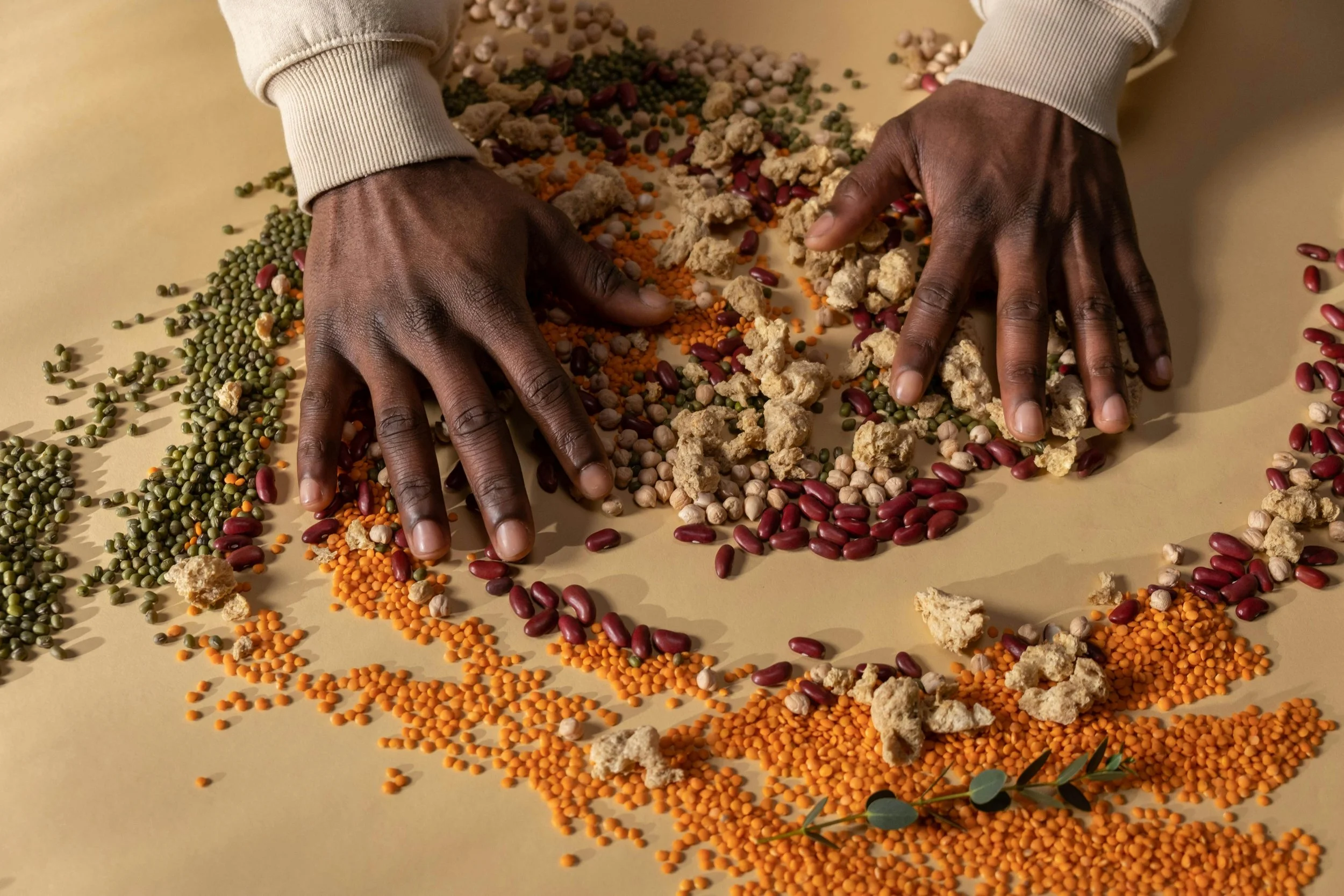
If you eat plant-based and you strength train, you've probably wondered whether you can actually hit your protein target without meat or fish.
You can. It takes a bit more planning than an omnivore diet, but the foods are practical, widely available, and easier to build habits around than most people expect.
Can you get enough protein for strength training on a plant-based diet?
Yes. Vegetarians and vegans can absolutely get enough protein to support muscle building and recovery through plant-based sources alone. The key differences from an omnivore diet are that plant proteins are generally lower in leucine (the amino acid most important for muscle building), slightly less bioavailable than animal proteins, and often lower in protein density per serving. To account for this, aim slightly higher in your daily protein target - closer to 0.8-1g per pound of bodyweight rather than the lower end of the range. Spreading protein consistently across 3-4 meals rather than concentrating it in one or two is also more effective for muscle building on a plant-based diet.
Why is protein slightly harder to get on a plant-based diet?
It's not that plant-based diets can't provide enough protein - it's that they require more intentionality to hit the same targets.
Three reasons:
Lower protein density. Animal proteins are typically very protein-dense - a chicken breast is mostly protein. Many plant-based sources come packaged with significant carbohydrates or fats. You need to eat more food to get the same protein.
Lower bioavailability. Plant proteins are absorbed less efficiently than animal proteins. Your body uses a smaller percentage of what you eat. Aiming slightly higher in your daily target compensates for this.
Leucine gap. Leucine is the amino acid that most directly triggers muscle protein synthesis. Animal proteins are rich in leucine. Most plant proteins are lower, which is why combining sources throughout the day matters. For more on daily protein targets, read our complete protein guide.
None of this is a dealbreaker. It just means the planning is slightly more deliberate than it would be on an omnivore diet.
What are the best plant-based protein sources for strength training?
These are the most protein-dense and practical plant-based options for people who train consistently.
Tempeh
The highest-protein plant-based food available. Half a cup provides around 15-16g of protein - more than tofu and with a firmer texture that holds up well to grilling, baking, or stir-frying. Made from fermented soybeans, which also improves the digestibility of its protein compared to non-fermented soy. Best used in place of ground meat in tacos, stir-fries, and grain bowls.
Protein per half cup: ~15-16g
Edamame
Young soybeans are one of the few plant foods that provide a complete amino acid profile - meaning all nine essential amino acids your muscles need. One cup of cooked edamame provides around 17g of protein. Easy to keep in the freezer and eat as a snack or add to bowls and salads. One of the most practical plant-based protein options available.
Protein per cup: ~17g
Lentils
One cup of cooked lentils provides around 18g of protein along with significant fiber and iron. Lentils are also one of the most cost-effective protein sources available regardless of diet. They work in soups, stews, salads, curries, and as a base for veggie burgers. The fiber content makes them very filling, which helps with overall calorie management.
Protein per cup: ~18g
Tofu
Tofu is versatile and available in most grocery stores. Half a cup provides around 10g of protein. Firm or extra-firm tofu works best for high-heat cooking - grilling, baking, or pan-frying. Silken tofu blends well into smoothies and sauces. The neutral flavor means it absorbs whatever you season or marinate it with.
Protein per half cup: ~10g
Chickpeas and black beans
Both provide around 15g of protein per cooked cup along with substantial fiber. Chickpeas work well roasted as a snack, blended into hummus, or added to curries and salads. Black beans are a staple in tacos, bowls, and soups. Both are shelf-stable, inexpensive, and easy to add to existing meals without changing much about how you cook.
Protein per cup: ~15g
Quinoa
Quinoa is one of the few complete plant proteins - it contains all nine essential amino acids. One cooked cup provides around 8g of protein. It works as a base for grain bowls, as a rice substitute, or mixed into salads. The protein content per serving is lower than legumes, but the amino acid completeness makes it a valuable addition to a plant-based diet.
Protein per cup: ~8g
Hemp seeds
One of the most protein-dense seeds available - three tablespoons provide around 10g of protein with a complete amino acid profile. They have a mild, nutty flavor and can be added to smoothies, oatmeal, yogurt, or salads without affecting the taste significantly. Easy to add to existing meals with almost no effort.
Protein per 3 tablespoons: ~10g
Plant-based protein powder
When whole foods aren't enough to hit your daily target - or when you need something convenient post-workout - plant-based protein powder fills the gap efficiently. Look for blends that combine multiple sources (pea + rice, for example) to improve the amino acid profile. A typical serving provides 20-25g of protein. Blend into smoothies or mix with water for a quick post-workout option.
Protein per serving: ~20-25g
How much protein do vegetarians and vegans need for strength training?
The general target of 0.6-1g of protein per pound of bodyweight applies to plant-based eaters - but aim toward the higher end of that range (0.8-1g) to account for lower bioavailability.
For a 150-pound person: aim for 120-150g of protein per day. For a 180-pound person: aim for 145-180g per day.
That sounds like a lot on a plant-based diet. Here's what it looks like in practice:
Cup of edamame as a snack: 17g
Lentil soup at lunch: 18g
Tempeh stir-fry at dinner: 15-16g
Hemp seeds in morning oatmeal: 10g
Plant-based protein shake post-workout: 20-25g
That's 80-86g from just those five sources - and you haven't added the protein from other foods like whole grains, nuts, and vegetables that contribute smaller amounts throughout the day.
The key is intentionality. Protein doesn't accumulate by accident on a plant-based diet the way it might for someone eating meat at every meal. You need to plan for a protein source at every meal.
Simple plant-based meal ideas for strength training
These are practical, high-protein meals that are straightforward to prepare.
Breakfast
Protein smoothie: Plant-based milk, one scoop of plant-based protein powder, a handful of spinach, one tablespoon of hemp seeds, one small banana. Blend and drink. Around 25-30g of protein, takes three minutes.
Overnight oats with seeds: Oats, plant-based milk, two tablespoons of chia seeds, two tablespoons of hemp seeds, left in the fridge overnight. Add fruit and almond butter in the morning. Around 15-20g of protein with minimal morning prep.
Lunch
Quinoa and black bean bowl: Cooked quinoa, one cup black beans, diced vegetables, avocado, tahini dressing. Around 20-25g of protein. Works well for meal prep - make a large batch of quinoa at the start of the week.
Tofu and vegetable stir-fry: Firm tofu with mixed vegetables in a simple soy and ginger sauce over brown rice. Around 20g of protein. The tofu absorbs the sauce well when pressed and marinated for 15-30 minutes before cooking.
Dinner
Lentil and sweet potato curry: Lentils simmered with coconut milk, diced sweet potato, and spices like turmeric and cumin. Around 18g of protein per serving. One of the easiest high-protein plant-based dinners to make in large batches.
Tempeh tacos: Crumbled tempeh seasoned with taco spices, served in tortillas with salsa, avocado, and shredded cabbage. Two tacos provide 15-20g of protein and take about 15 minutes to prepare.
Snacks
Edamame: One cup provides 17g of protein. Frozen edamame can be microwaved in four minutes. One of the most efficient plant-based protein snacks available.
Hummus and vegetables: Hummus provides some protein and fiber. Lower protein density than other options (4-8g per serving), so pair with another protein source if this is your main snack for the day.
What does plant-based protein look like at bStrong?
We work with vegetarian and vegan members at our Bellevue and Redmond locations regularly. The training approach is identical - the same full-body strength program, the same weight tracking, the same coaching. The nutrition piece requires a bit more intentionality around protein, which we help members think through as part of their overall approach.
Most of our members who eat plant-based and train 2-3 times per week find that once they identify 3-4 reliable high-protein plant foods they actually enjoy, hitting their daily target becomes straightforward. It's the initial habit-building that's the challenge - not the long-term execution.
Practical nutrition guidance is included as part of our 3-week trial through small group personal training. If protein intake is something you're navigating alongside a plant-based diet, your coach can help you think through simple strategies that work for your schedule and food preferences.
Frequently asked questions
Can you build muscle on a vegan diet?
Yes. Multiple studies have shown that people following vegan diets can build muscle at comparable rates to omnivores when total protein intake and training are matched. The key requirements are hitting your daily protein target (aim for 0.8-1g per pound of bodyweight), training consistently with progressive overload, and combining protein sources to ensure a complete amino acid profile.
Do you need to combine plant proteins at every meal?
No - the idea that you need to combine complementary proteins at every single meal (rice and beans together, for example) is outdated. What matters is getting a variety of protein sources throughout the day, not precise combinations at each meal. Eating diverse plant proteins across the day covers your amino acid needs effectively.
Is plant-based protein powder worth using?
For most people who strength train on a plant-based diet, yes. Whole food sources should be the foundation, but a plant-based protein powder makes it easier to hit daily targets without having to eat large volumes of food. Look for blends that combine pea and rice protein, which together provide a more complete amino acid profile than either alone.
Is soy protein safe to eat regularly?
Yes, for most people. The concern about soy and hormones has been studied extensively and the evidence does not support avoiding soy in normal dietary amounts. Tempeh, tofu, and edamame are all nutritious, high-quality protein sources that are safe to eat regularly. If you have specific health concerns about soy, talk to your doctor.
How do vegetarians (not vegans) get more protein?
Vegetarians have access to eggs and dairy, which are both high-quality, high-density protein sources. Greek yogurt, cottage cheese, and eggs are among the most efficient protein sources available - easier to work with than most plant proteins in terms of protein density and amino acid profile. Including these regularly makes hitting protein targets significantly easier than on a fully vegan diet.
Getting enough protein on a plant-based diet is absolutely doable - it just requires knowing which foods to prioritize and building a few consistent habits around them.
If you want support building both your training and your nutrition habits, our 3-week trial is a straightforward place to start. Consultation call, Intro Ramp-Up session, 6 coached small group personal training workouts, practical nutrition resources, and an InBody scan - all for $99 at our Bellevue and Redmond locations.