
How Strength Training Prevents Injury and Speeds Recovery
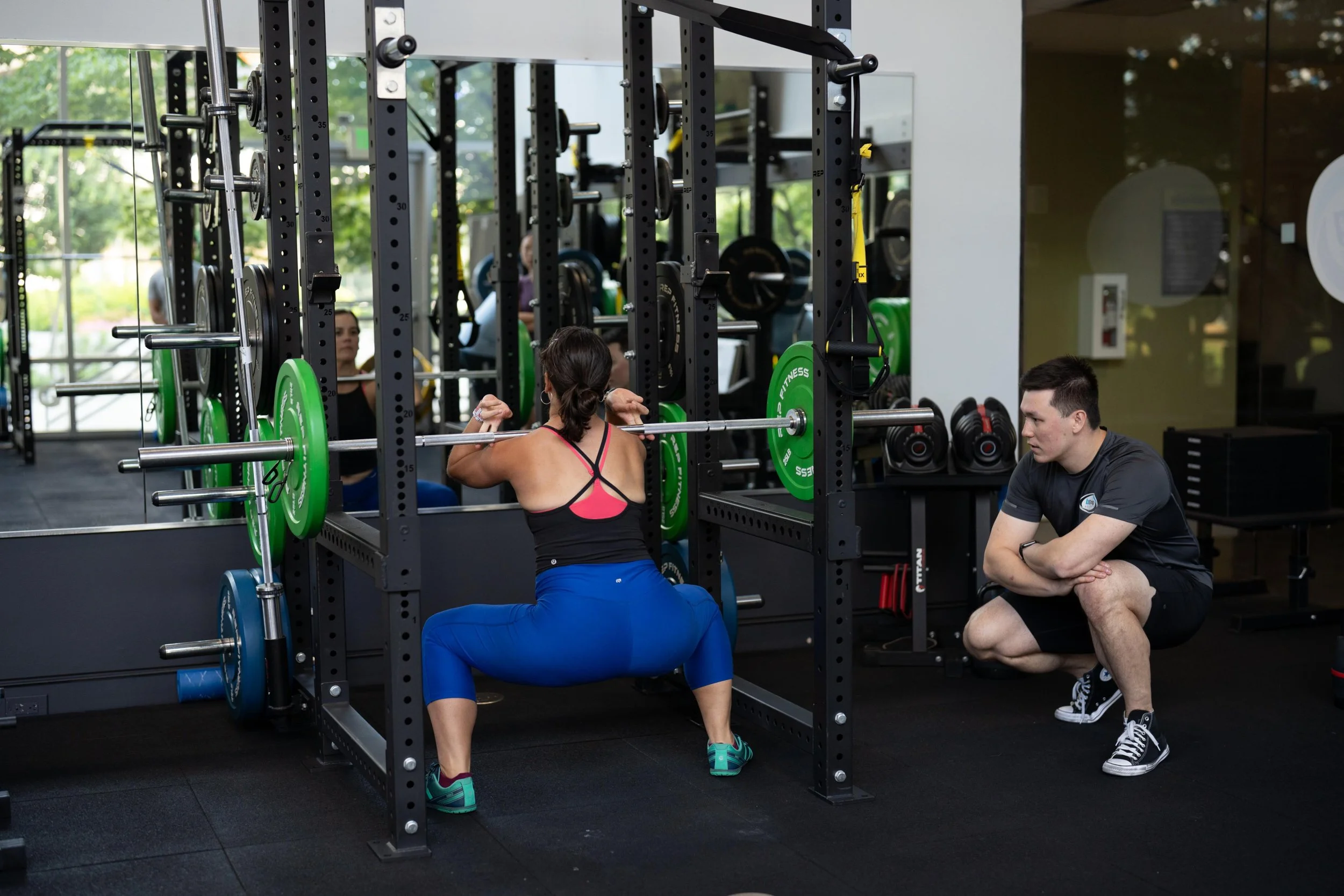
Most people start strength training to look or feel better. But one of the most underrated reasons to lift weights is this: it keeps you out of pain. Whether you have a history of injuries or just want to move well as you get older, strength training done right builds a body that holds up - at the gym, at work, and in everyday life.
Can strength training really prevent injuries?
Yes. Strength training reduces injury risk by strengthening the muscles, tendons, and ligaments that support your joints, correcting muscle imbalances that cause overuse injuries, and improving the balance and movement control that prevents falls and awkward movements. It also speeds recovery after injury by increasing blood flow to damaged tissue and rebuilding strength in weakened areas. Two to three full-body sessions per week is enough to produce these benefits for most adults.
If you're in Bellevue or Redmond: If you want a coached way to get stronger, move better, and train around old aches or injuries without guessing, that's exactly what we help people do at bStrong.
Start with our $99 three-week trial. It starts with a consultation call and includes 6 coached Small Group Personal Training workouts, an optional Intro / Ramp Up session, an InBody scan, and practical nutrition resources. That first call is where we learn about your injury history, current limitations, and what feels realistic right now.
How does strength training prevent injuries?
It strengthens muscles and connective tissue
Strength training doesn't just work the muscles you can see - it also strengthens the tendons and ligaments around your joints. By increasing the resilience of these structures, your body is better prepared to handle the everyday stresses of movement, whether that's lifting groceries, going for a run, or sitting at a desk for hours. Stronger muscles and connective tissue mean better joint stability, which helps prevent common injuries like sprains and strains.
This matters especially for people who sit most of the day. Prolonged sitting weakens the glutes, hips, and stabilizing muscles of the spine - the areas most likely to cause problems under stress. Targeted strength work rebuilds those areas before they become a problem.
It improves mobility and balance
Good strength training isn't just about lifting heavy weights. Exercises that focus on range of motion and controlled movement are an essential part of any solid strength program. This approach improves mobility and balance, allowing for smoother, safer movement in everyday life. With better stability and body control, you're less likely to fall, twist an ankle, or move in a way that puts your joints in a bad position.
Movement prep - the warm-up work done at the start of every bStrong session - is specifically designed to address this. It's active mobility work that prepares your joints and tissues for the demands of the session ahead, not just a few minutes of stretching.
It balances muscle groups
Overuse injuries often come from imbalances in muscle strength - where one muscle group is significantly stronger than its counterpart. Runners, for example, often develop stronger quads while neglecting their hamstrings, which can lead to knee problems over time. A balanced strength program ensures all muscle groups get the attention they need, reducing the likelihood of those imbalances quietly building into injuries.
At bStrong, every session includes a push, a pull, a squat or hinge pattern, and core work. This structure prevents the one-sided development that leads to overuse problems over time.
Which injuries does strength training help prevent?
Knee pain
Weak quads, hamstrings, and glutes force the knee joint to absorb load it shouldn't be handling alone. Strengthening those muscle groups reduces stress on the knee and helps prevent the pain and stiffness that builds up over time - especially in people who run, hike, or sit for long periods. Goblet squats, Romanian deadlifts, and glute bridges are particularly effective here.
Lower back pain
Most lower back pain isn't caused by a single injury - it develops gradually from weak core and hip muscles that can't adequately support the spine. Strength training that includes hip hinge patterns and core stability work addresses the root cause directly. Many people with chronic back pain find that consistent strength training is one of the first things that produces lasting relief.
Shoulder pain
Shoulder problems are common in people who sit at a desk all day and in people who do a lot of pressing without enough pulling. A balanced program with rows and pulling work keeps the shoulder joint stable and the surrounding muscles strong. This is one of the most common areas where muscle imbalances develop quietly before becoming a noticeable problem.
Ankle instability
Single-leg work - step-ups, split squats, single-leg deadlifts - strengthens the small stabilizing muscles around the ankle and improves body awareness and balance. People who do regular single-leg training are significantly less likely to roll an ankle during everyday activity or sport.
Bone density and fracture risk
Strength training stimulates bone growth by placing load on the skeleton. This is particularly important for women over 40 and anyone with low bone density. Weight-bearing exercises like squats and deadlifts are among the most effective tools for improving bone density and reducing fracture risk over time. See our guide on how strength training helps manage chronic diseases for more on this.
How does strength training help with recovery?
General recovery between sessions
Low-intensity strength exercises can be a valuable part of active recovery. These movements increase blood flow to muscles without placing too much stress on the body, which helps remove waste products and deliver nutrients to tissues that need to repair.
This is why complete rest is often not the best approach after hard training or minor soreness. Appropriate movement at the right intensity keeps blood flowing and tissues healing faster than doing nothing.
Reducing re-injury risk
Strength training during recovery can reinforce weakened areas and prevent future injuries. If you've had an ankle injury, for example, exercises that gradually strengthen the surrounding muscles and tissues will make that area less vulnerable over time. This methodical approach helps you regain strength without pushing too hard, too soon.
A coach plays a critical role here. The difference between helpful loading and harmful loading during recovery isn't always obvious - having someone who can watch your movement and adjust your program in real time makes recovery safer and faster.
Returning to full activity after injury
After an injury, strength training helps build the foundation needed to return to full activity. As the injured area heals, progressively challenging exercises help you regain lost strength and confidence in your movement. A stronger body is more resilient to everyday stresses, and you'll be less likely to experience a setback.
Most people return to their previous activities stronger than before their injury when they follow a structured strength program during recovery. Not just healed - more resilient.
Training around an existing injury
If you're currently dealing with an injury, strength training can still be part of your plan - but how you approach it matters.
A few principles that apply regardless of the injury:
Work around it, not through it. A good coach can find movements that strengthen the areas surrounding an injury without loading the injured tissue directly.
Start with what doesn't hurt. If your shoulder is injured, your lower body training doesn't have to stop. Maintaining overall strength during recovery prevents the deconditioning that makes returning to full activity harder.
Progress gradually. Returning to full load too quickly is the most common reason people re-injure themselves.
Always work with your medical team. Strength training during recovery should complement - not replace - your doctor or physical therapist's guidance.
If you're returning to fitness after time off due to injury, our return-to-fitness guide covers what the first few weeks should look like.
What are the most common causes of injury in the gym?
Most gym injuries are preventable. Here's what to watch for:
Doing too much too fast. This is the most common cause of injury for beginners and people returning after time off. Your cardiovascular system adapts faster than your tendons and ligaments - you'll feel like you can do more before your connective tissue is actually ready. Build up gradually, even if the weights feel easy.
Poor form under fatigue. Most form breakdowns happen in the last few reps of a hard set. When your technique goes, your injury risk goes up. If you can't maintain good form through a set, the weight is too heavy or you've done too many reps. Stop the set, not push through it.
Ignoring small pain signals. A sharp or persistent pain during an exercise is a signal worth paying attention to. Dull muscle fatigue is normal - joint pain, clicking, or sharp sensations are not. The habit of pushing through those signals is how small problems become big ones.
Only training certain muscles. Focusing only on the muscles you can see in the mirror - chest, arms, abs - creates imbalances that put stress on the joints those muscles connect to. A full-body program that trains push, pull, squat, hinge, and core/carry patterns keeps things balanced.
Skipping the warm-up. Movement prep before your session is not optional. It prepares your joints and tissues for the demands of training and significantly reduces the risk of strains and tweaks during the session itself.
What does this actually look like week to week?
You don't need a complicated plan to start getting these benefits. Here's what a simple, injury-prevention-focused approach looks like in practice:
Train 2-3 times per week. That's enough frequency to build the strength and resilience that prevents injuries. More is not necessarily better, especially early on. Consistency over weeks and months matters more than intensity in any single session.
Start with manageable weights. Your first few weeks are about learning movement patterns and building a foundation - not testing your limits. Lighter weights with good form produce better long-term results than heavy weights with sloppy technique.
Adjust when something feels off. If a movement is bothering a joint, modify the range of motion, reduce the load, or swap the exercise. Feeling some muscle fatigue is normal. Feeling joint pain or sharp discomfort is a signal to adjust - not push through.
Keep moving even when something is irritated. Minor soreness or tightness doesn't mean you need to stop training entirely. Work around it. A coach can help you find what you can do safely while the irritated area settles down.
Follow a full-body program. Every session should include movements that train your whole body - not just the areas you want to improve. This prevents the imbalances that quietly cause injuries over time.
If you want a deeper look at how to structure your first 12 weeks, read our Beginner Strength Blueprint.
What does this look like at bStrong?
Injury prevention and safe progression are built into how we coach at our Bellevue and Redmond locations - not treated as special accommodations.
Most of our members train 2-3 times per week. Many come in with a history of back pain, knee issues, or past injuries they're nervous about aggravating. That's actually one of the most common profiles we work with.
Here's what the approach looks like in practice:
Before your first session, your coach learns about any injuries, limitations, or areas of concern during the consultation call. That information shapes your programming from day one.
Every session includes movement prep - active warm-up work designed to prepare your joints and tissues before any loading begins.
Programming is built around full-body movement patterns: squat, hinge, push, pull, and core/carry. This structure prevents the muscle imbalances that lead to overuse problems over time.
Your coach tracks your working weights every session. Progression is gradual and controlled - not based on how you feel on your best day.
If something doesn't feel right during a session, your coach adjusts in real time. You're not expected to push through pain or discomfort.
Sessions run with 2-6 people, which means your coach can actually watch your form and give you specific cues - not just general guidance to a room full of people.
Most members who come in worried about injury say the same thing afterward: they feel better than they have in years. That's not a coincidence - it's what coached, structured, progressive training does when it's done at the right pace.
If you have a significant injury or are post-surgery, always get clearance from your doctor or physical therapist before starting a new training program.
How this usually starts at bStrong
The first step is a consultation call. We'll talk through your injury history, anything you're currently dealing with, what movements tend to bother you, and what kind of training schedule feels realistic.
From there, most people start with our $99 three-week trial. In your first few workouts, your coach helps you learn the movement patterns, find safe starting weights, and build confidence without feeling rushed. If something doesn't feel right, we adjust right away. We track your weights each workout so you're not guessing what to do next.
If you're not sure what's safe for you right now, that's exactly what the consultation call is for.
Frequently asked questions
Is strength training safe if I have a history of back pain?
For most people with chronic lower back pain, yes - with appropriate exercise selection and coaching. Strengthening the glutes, hamstrings, and core muscles that support the spine often produces meaningful relief over time. The key is starting with manageable loads, learning proper movement mechanics, and having a coach who can watch your form and catch issues early.
Can I strength train if I'm currently injured?
Often yes, depending on the injury. In most cases a coach can design sessions that work around the injured area while maintaining strength in the rest of the body. Always get clearance from your doctor or physical therapist first, and make sure your coach knows what you're dealing with before your first session.
Will strength training make my joint pain worse?
Not if programmed correctly. The most common cause of joint pain during strength training is too much load too soon, poor form, or skipping movement prep. A coach who adjusts load and range of motion to your current ability - and progresses gradually - typically sees members experience less joint pain over time, not more.
How quickly will I notice injury prevention benefits?
Most people notice improved stability and reduced discomfort within 4-8 weeks of consistent training. The deeper structural adaptations in tendons and ligaments take longer - typically 3-6 months of consistent training. Consistency matters more than intensity, especially in the first few months.
Do I need to tell my coach about past injuries?
Yes - and a good coach will ask before your first session. At bStrong the consultation call covers your injury history, any current limitations, and areas of concern. The more your coach knows, the better they can program and adjust for you safely.
If you've been dealing with pain, a history of injuries, or just want to move and feel better as you get older - strength training done right is one of the most effective things you can do.
Our 3-week trial is a low-pressure way to start. You'll get a consultation call where we learn about your history and any limitations, an Intro Ramp-Up session, 6 coached small group workouts, and an InBody scan - all for $99. Our coaches at our Bellevue and Redmond locations work with members at every fitness level, including people managing injuries and chronic pain.
You don't need to be pain-free to start. You just need to start.