
The Return-to-Fitness Guide - How to Start Again Safely and Confidently
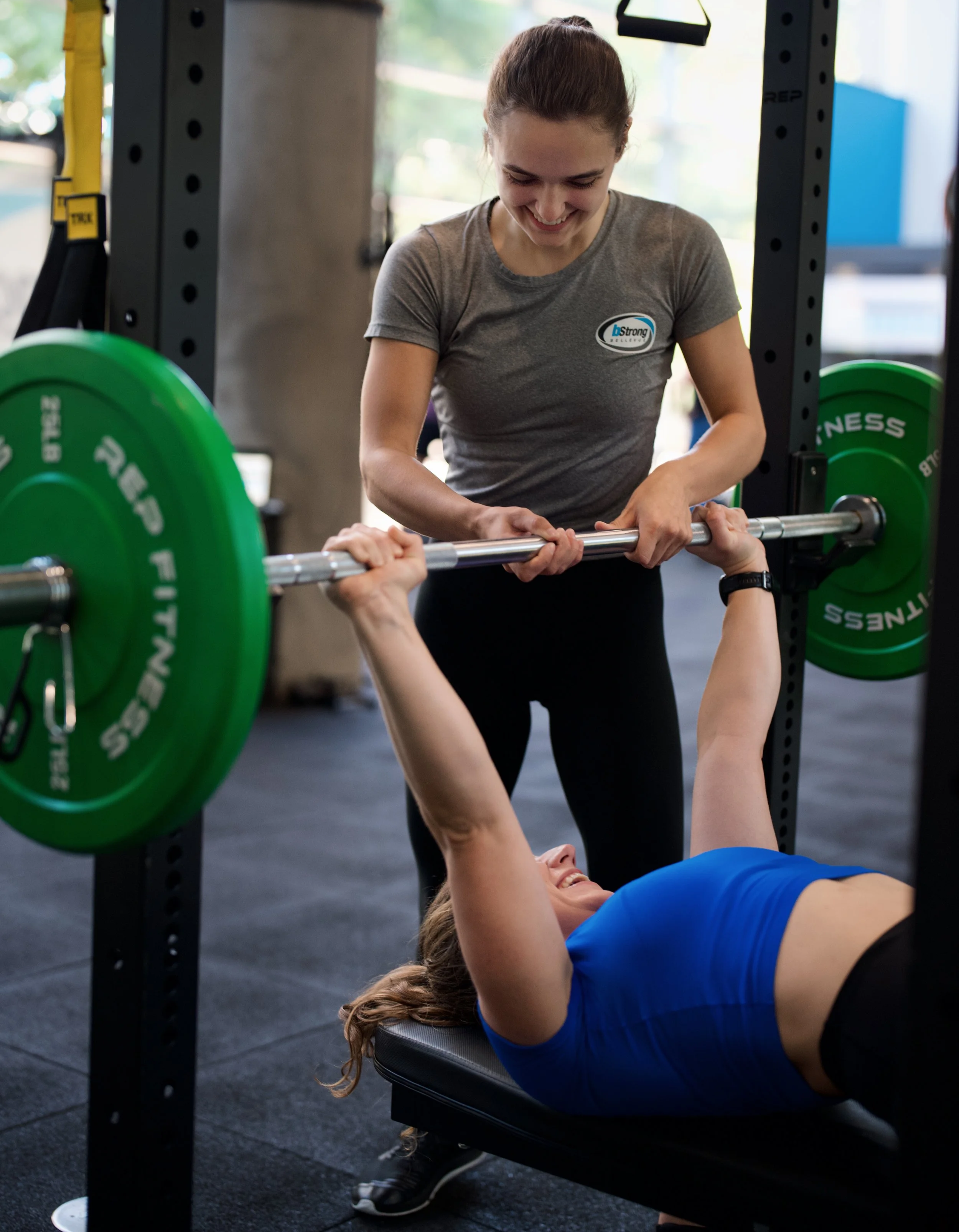
If you're coming back to strength training after time away, you're in the right place.
Most people who join bStrong aren't starting from scratch. They're starting again.
Work got busy. Kids needed attention. Stress piled up. An injury slowed things down. Life took over.
There's nothing wrong with you for losing momentum. Coming back is easier than it feels right now - especially when you have structure, coaching, and a place that meets you where you are.
If you're completely new to lifting, start with our Beginner Strength Blueprint. This guide is for people who've trained before and are finding their way back.
How do you get back into fitness after time off?
Start lighter than you think you need to, focus on movement quality before pushing load, and train 2-3 times per week instead of trying to make up for lost time. Most people don't need to prove anything in week one. They need to rebuild consistency, confidence, and trust in their body.
That lines up with the broader picture too. Adults are generally advised to do muscle-strengthening activity at least two days per week - and it can be spread across the week rather than crammed into one perfect block.
Why coming back feels hard - and why that's normal
Even when you're motivated to start again, returning can feel intimidating. That's expected.
You remember what you used to do. Your mind remembers old numbers, old routines, and an older version of you that felt more capable. Your body may not be there yet. That gap messes with people more than they expect - and it closes faster than most people think once they start moving again.
You don't want to feel behind. Most returners worry about using lighter weights, moving slower, feeling rusty, or looking like they've lost progress. That fear is normal. It just shouldn't be what stops you. At bStrong, nobody tracks anyone else's weights - you're in a group of 2-6 people, each working at their own level.
Your time away wasn't laziness. For most adults, training fell apart because life got full - work, commuting, childcare, injury, stress. That's a life thing, not a character flaw.
Recovery feels different now. This is especially true after 35-40. Bodies often need a better warm-up, more recovery between sessions, and more patience early on. That's not a reason not to train. It's a reason to train smarter.
What most returners get wrong
The patterns are predictable.
They try to match their old numbers right away. Even if your muscles feel ready, your joints and connective tissue usually need more time to catch up. This is the most common way returns end in injury - not because training is dangerous, but because returning too aggressively is.
They go all-in for two weeks. Five workouts a week, perfect meals, huge expectations. That usually ends the same way it ended before. A structure that survives a busy week produces better long-term results than an ambitious plan that doesn't.
They let soreness scare them. Some soreness after the first few sessions back is normal and expected. It doesn't automatically mean you're doing damage - it means your body is adapting to stimulus it hasn't had in a while.
They wait until they feel fully ready. That feeling rarely comes first. Momentum usually comes after you start, not before.
What your first four weeks should look like
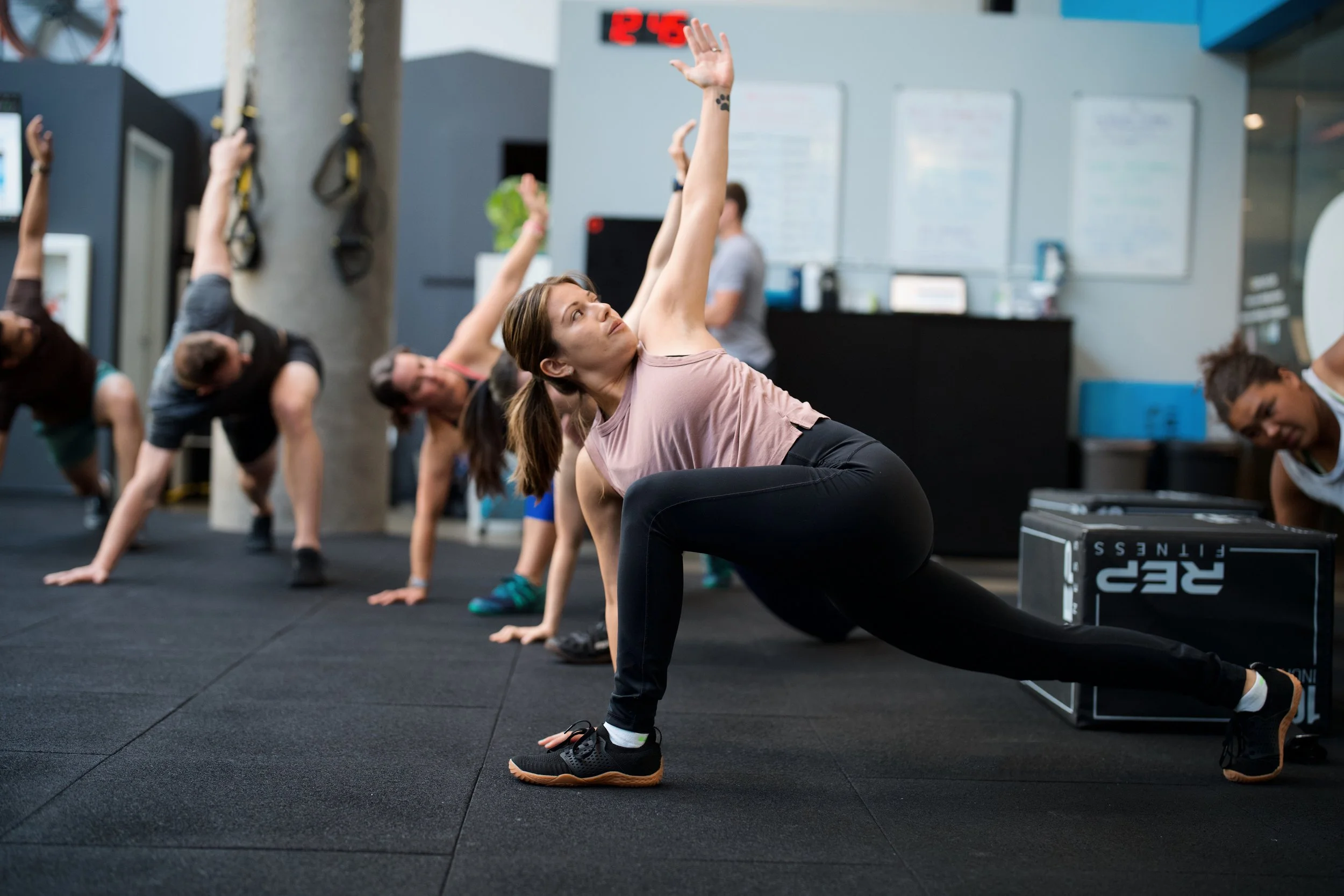
Week 1 - Rebuild the basics Focus on movement quality, controlled reps, bracing, and getting comfortable again. No pressure to hit numbers. The goal is to remind your body what these patterns feel like.
Week 2 - Light loading and confidence Start adding a little more weight - but only what feels manageable and controlled. You should still finish sessions feeling like you could have done more. That's the right place to be.
Week 3 - Build some momentum By now things usually start feeling less awkward. Movements feel more familiar, confidence comes back, and energy often starts improving noticeably.
Week 4 - The routine starts feeling normal This is where the shift happens for most people. Workouts stop feeling like a big emotional event and start feeling like part of the week. That's the goal for this month.
If you're over 40 or coming back with joint concerns, our Strength After 40 guide covers how to train smarter and recover better at this stage.
What a return-to-fitness session should include
A good return-to-fitness workout is simple and full-body. Not just what's comfortable or convenient - everything.
The fundamental patterns: squat or lower-body movement, hinge, push, pull, core stability, and posture work. Every session at bStrong includes all of these.
One main lift as an anchor. A session is easier to follow when it has one clear focus. At bStrong that's built around a squat, bench press, or deadlift variation - whichever anchors that day's program.
Scaled variations throughout. If your knee, shoulder, or back is sensitive, the movement gets adjusted - range of motion, stance, tempo, variation, or load. The movement fits your body, not the other way around.
A short, controlled finisher. Enough to feel accomplished at the end. Not enough to leave wrecked.
For more on safe technique for these movements, read our How to Lift Safely guide.
How to avoid getting hurt when you return
Most people don't get hurt because they came back. They get hurt because they came back too aggressively.
Use lighter weights than you think you need. You can always add load next week. There's no benefit to pushing heavy in the first two weeks and meaningful risk if you do.
Control the tempo. Slower reps mean better positions, better body awareness, and less compensating with momentum. 2-3 seconds down on lower body movements. Smooth and controlled on everything else.
Stop at "comfortable challenge," not pain. Effort is expected. Sharp pain, joint pain, or anything that clearly feels wrong is a signal to adjust - not push through.
Say something if something feels off. You shouldn't have to troubleshoot alone. That's the point of having a coach in the room.
If you have a real injury, get it checked first. Sharp pain, swelling, instability, or a recent injury should go to a physical therapist or doctor before you start training around it. PTs diagnose. Coaches work safely within those recommendations. Both have a role.
What does this look like at bStrong?
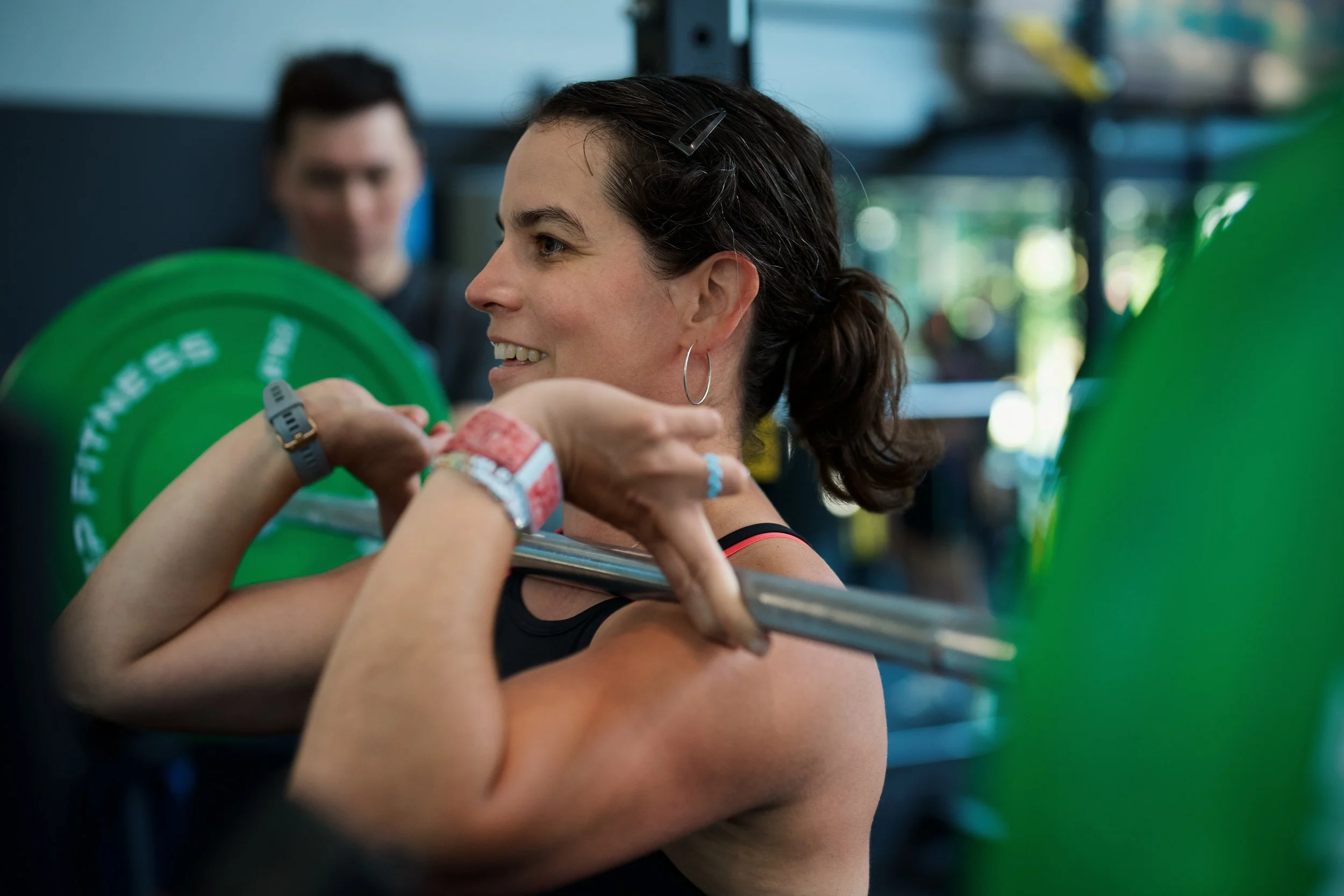
This is one of the most common member profiles we see at our Bellevue and Redmond locations. Someone who used to train, has been off for a while, feels stiff or rusty, and wants to start again without getting crushed or feeling out of place.
Here's how we approach it in practice:
The consultation call before your first session covers your history, goals, injuries, and limitations. That shapes the program from day one.
The Intro Ramp-Up session on Saturday is a low-pressure way to get comfortable with movements and the environment before jumping into regular workouts.
Starting weights are conservative on purpose. You'll build from there.
Movements are adjusted in real time based on how you're moving and how you feel that day.
Groups stay small - 2-6 people - so your coach can actually watch you and give specific feedback.
Your weights are tracked session to session. When an exercise comes back, you have a target based on what you did last time - no guessing.
Most returners don't need hype. They need structure, safety, a realistic plan, and coaching that meets them where they are. That's what this is built for.
What progress looks like when you're returning
A lot of people expect progress to mean "I'm lifting heavy again." That's not usually the first sign.
Weeks 2-3: Movement feels smoother, soreness stabilizes, confidence improves. The anxiety around "can I actually do this?" starts to quiet down.
Weeks 4-6: Strength starts returning in a noticeable way. Workouts feel more familiar. You stop second-guessing every session.
Weeks 8-12: You feel like yourself again. Training feels normal. Momentum starts building on its own.
That's what most people are really after. Not one perfect week. A routine that feels real again.
For more on building the consistency that makes this compound over time, read our Consistency System guide.
Frequently asked questions
How often should I train when I'm coming back?
For most people, 2-3 strength sessions per week is the right starting point. It's enough to rebuild momentum and make real progress without overwhelming your recovery or making the return feel like too much too soon. That also lines up with general guidance that adults should do muscle-strengthening activity at least two days per week.
Should I start with the weights I used before?
No. Start lighter than you think and build back up over the first two to three weeks. Your muscles may feel ready before your joints and connective tissue are - starting conservatively protects you without meaningfully slowing your progress.
Is it normal to feel awkward or rusty at first?
Yes - and it's expected. The first few sessions back often feel clunky. Movement patterns come back faster than most people expect, and by week two or three most returners notice things feeling noticeably smoother.
What if I'm over 40?
You can absolutely come back and make real progress. The approach just needs to account for recovery, warm-up, and progression more deliberately than it might have in your 20s. Older adults are still advised to include strength work regularly - with added attention to balance and what fits your current ability and health status.
What if I have an old injury I'm worried about?
Tell your coach at your consultation call. Working around injuries is a normal part of coaching and we do it regularly. If pain is sharp, worsening, or involves instability, see a physical therapist or doctor first. You don't have to be pain-free to start training again - you just need the right plan.
How long before I feel "back" again?
Most people feel noticeably more normal within 3-4 weeks. By 8-12 weeks, the routine and confidence usually feel much more solid and training feels like a normal part of the week rather than something you're trying to do.
If you've been putting this off because you're worried you'll feel out of shape, behind, or likely to get hurt - you're exactly who this is for.
You don't need to jump back in at full speed. You need a clear starting point, coaching, and a structure that makes coming back feel manageable.
Our 3-week trial is built for that. A consultation call, an Intro Ramp-Up session, 6 coached small group personal training workouts, and an InBody scan - all for $99 at our Bellevue and Redmond locations. No long-term commitment.
You're not starting over. You're starting again.