
Hydration 101: How Water Boosts Energy and Performance
Hydration usually isn't the first thing people think about when something feels off. But it's often one of the first things that actually is.
You don't always notice dehydration directly. You just feel a little flat, slightly foggy, or like your workout is harder than it should be. Nothing is obviously wrong - you're just running slightly short on something your body needs to function well.
At bStrong, we see this pattern regularly. Someone's energy is inconsistent, or their training feels off for no obvious reason, and hydration turns out to be part of it more often than people expect.
Why does hydration matter so much?
Even mild dehydration - around 1% of body weight in fluid - can affect energy, focus, workout performance, and recovery. Water is involved in almost every major process your body runs: transporting nutrients, regulating temperature, maintaining blood flow, keeping joints and tissues healthy. When it's slightly low, everything works a bit harder than it needs to. That shows up as fatigue, brain fog, weaker training sessions, and slower recovery - often before you feel thirsty.
Why hydration gets overlooked
Unlike food or sleep, dehydration doesn't give you immediate clear feedback. You don't feel it the same way you feel hunger or tiredness. It just quietly affects how everything else feels - circulation, muscle function, cognitive performance, temperature regulation.
By the time you're thirsty, you're already behind. Most people are running in a mild dehydration state much of the day without realizing it, because the signal that would tell them to drink more is delayed.
How dehydration shows up in real life
The pattern is common: busy morning, lots of coffee, very little water, workout feels off, energy is inconsistent through the day. Nothing is wrong in any obvious way. You're just under-hydrated, and your body is working harder than it needs to on everything.
Common signs to watch for: unusual fatigue, headaches, muscle cramps, dry mouth, dark urine, light-headedness when standing up quickly, brain fog, workouts feeling heavier than normal.
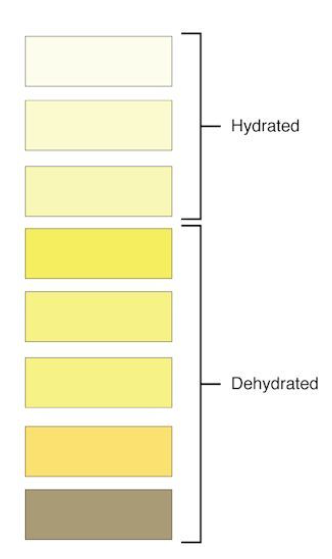
The practical check: urine color. Pale yellow means you're reasonably hydrated. Dark yellow means you're behind. If it's been a long time since you last urinated, that's usually a sign you need more fluids now.
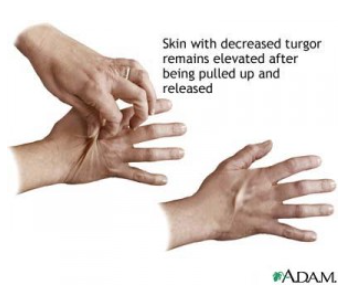
The skin turgor test is another quick check: gently pinch the skin on the back of your hand and release. If it snaps back immediately, hydration is reasonable. If it stays tented for a moment before flattening, you're likely under-hydrated.
Hydration and training performance
Training is already a stress on your body. Hydration helps your body maintain blood flow to working muscles, regulate heart rate during effort, and tolerate the demands of the session. When hydration is low going into a workout, you may notice faster fatigue, reduced strength, and overall higher perceived effort - the session just feels harder than it should.
Simple timing guidance for training days:
Drink water in the hour before your session - don't try to catch up right before you start
Sip during the workout, especially if it's warm or the session runs longer than an hour
Drink extra water after training to support recovery - this is when a lot of people stop thinking about it, but it's when hydration continues to matter
Hydration and recovery
Recovery isn't just sleep and protein. Hydration supports circulation, muscle repair, and reducing soreness between sessions. When hydration is consistently low, recovery slows - which means you're showing up to the next session without having fully benefited from the last one.
This is especially relevant for members training 2-3 times per week. If hydration is off, the cumulative effect across a week shows up as sluggishness and slower progress rather than any single obviously bad day.
The cravings connection most people miss
This one surprises people. Low hydration can feel like hunger, low energy, or random cravings - because the brain's signals for thirst and hunger share similar pathways and are easy to confuse. Before assuming you need food, it's often worth having a glass of water first and waiting a few minutes.
This isn't about ignoring hunger. It's about ruling out an easy fix before reaching for a snack. For people working on fat loss or trying to manage their eating patterns, this is a practical lever that doesn't require any complicated changes. For more on this, read our cravings guide.
Electrolytes - when they matter
Water alone handles most daily hydration needs. Electrolytes - primarily sodium, potassium, and magnesium - help your body hold on to the water you drink and maintain normal muscle and nerve function.
They're worth paying attention to when: you're training regularly and sweating consistently, sessions are intense or run longer than an hour, it's hot or humid, or you feel crampy and wiped out after workouts despite drinking water.
You don't need a complex electrolyte protocol. An electrolyte tablet or light mix in your bottle on training days, or making sure you're eating enough salty and potassium-rich foods (fruit, vegetables, dairy), covers most people's needs without overthinking it.
How much water do you actually need?
Exact needs vary by body size, activity level, sweat rate, and environment. A practical starting point for most adults: at least 8 cups (64 oz) per day, more for people who train consistently or sweat heavily.
Rather than tracking ounces, use awareness: pale yellow urine through most of the day, drinking water consistently rather than catching up in large amounts at night, and drinking a glass before you feel thirsty rather than after. A diet with plenty of fruits and vegetables contributes to fluid intake; a diet heavy in processed foods does less of that.
What most people get wrong
Only drinking when thirsty. By the time thirst kicks in, you're already slightly behind. Building a habit of drinking consistently through the day keeps you ahead of the curve.
Trying to catch up at night. Drinking a lot of water in the evening doesn't offset a full day of low intake. It just means disrupted sleep from bathroom trips. Spread it through the day instead.
Overcomplicating it. Most people don't need electrolyte supplements, hydration targets, or tracking apps. A water bottle they actually use, a general awareness of urine color, and a habit of drinking around meals and workouts covers almost everything.
Practical habits that actually work
Keep a water bottle you know the size of and aim for a specific number of refills daily
Drink a glass of water before coffee in the morning
Have water with every meal
Keep a bottle at your desk and in your car
Drink before, during, and after training sessions
Check urine color occasionally - it's the simplest real-time feedback available
No tracking required. Just consistent attention.
What this looks like at bStrong
At bStrong in Bellevue and Redmond, hydration comes up in coaching conversations more than most members expect - particularly when energy is inconsistent or training feels off without an obvious reason.
When members improve their hydration habits, the changes they notice most often are: more stable energy through training sessions, better recovery between workouts, fewer low-energy days mid-week, and cravings that are easier to manage. None of it is dramatic. It's just a common and easily fixed drag on how everything else functions.
It's a small habit with a meaningful effect - especially for people training 2-3 times per week who want to get the most out of each session. For more on the full picture of nutrition that supports training, read our nutrition for strength and recovery guide.
Frequently asked questions
How do I know if I'm dehydrated?
The most practical check is urine color: pale yellow means you're reasonably hydrated, dark yellow or amber means you need more fluids. Other signs include headaches, muscle cramps, unusual fatigue, brain fog, and workouts feeling harder than expected. If you can't remember the last time you drank water or urinated, that's a signal to drink now.
Do I need electrolytes or just water?
For most adults training 2-3 times per week at moderate intensity, plain water handles daily hydration well. Electrolytes become more useful when sessions are long or intense, when you sweat heavily, or when it's hot. If you feel crampy or depleted after workouts despite drinking water, adding an electrolyte tablet or mix on training days is a reasonable next step.
Does coffee count toward my daily water intake?
Yes, with a caveat. Caffeinated drinks do contribute to fluid intake, but caffeine has a mild diuretic effect - meaning they're less efficient than water. Coffee and tea can count toward your daily total, but they shouldn't replace water, especially around training sessions.
Can dehydration cause food cravings?
Yes. The brain's thirst and hunger signals share similar pathways and are easy to confuse. What feels like a craving for food is sometimes a need for fluids. Drinking a glass of water and waiting a few minutes before eating is a practical first check when cravings appear shortly after a recent meal.
How much water should I drink on training days vs rest days?
Training days require more - you're generating more heat, sweating more, and asking your muscles to do more. A practical approach: drink your normal baseline on rest days, and add meaningful extra intake before, during, and after training. The urine color check works here too - if it's running dark on a training day, you're behind.
What's the single most effective hydration habit?
Consistency through the day beats volume at any single time. A water bottle you keep with you and refill regularly does more than tracking ounces or drinking large amounts infrequently. Most people who improve their hydration do it by changing a structural habit - keeping water visible and accessible - rather than by trying to drink more through willpower.
Hydration won't fix everything on its own - but running short on it creates a consistent drag on energy, training performance, recovery, and appetite regulation that's easy to address once you're paying attention to it.
Our 3-week trial is a practical place to start building the habits - training and otherwise - that actually support how you feel and perform. A consultation call, an Intro / Ramp Up session, 6 coached small group personal training workouts, an InBody scan, and practical nutrition resources - all for $99 at our Bellevue and Redmond locations.