
Nutrition 101: Simple Tips for Energy, Muscle, and Health
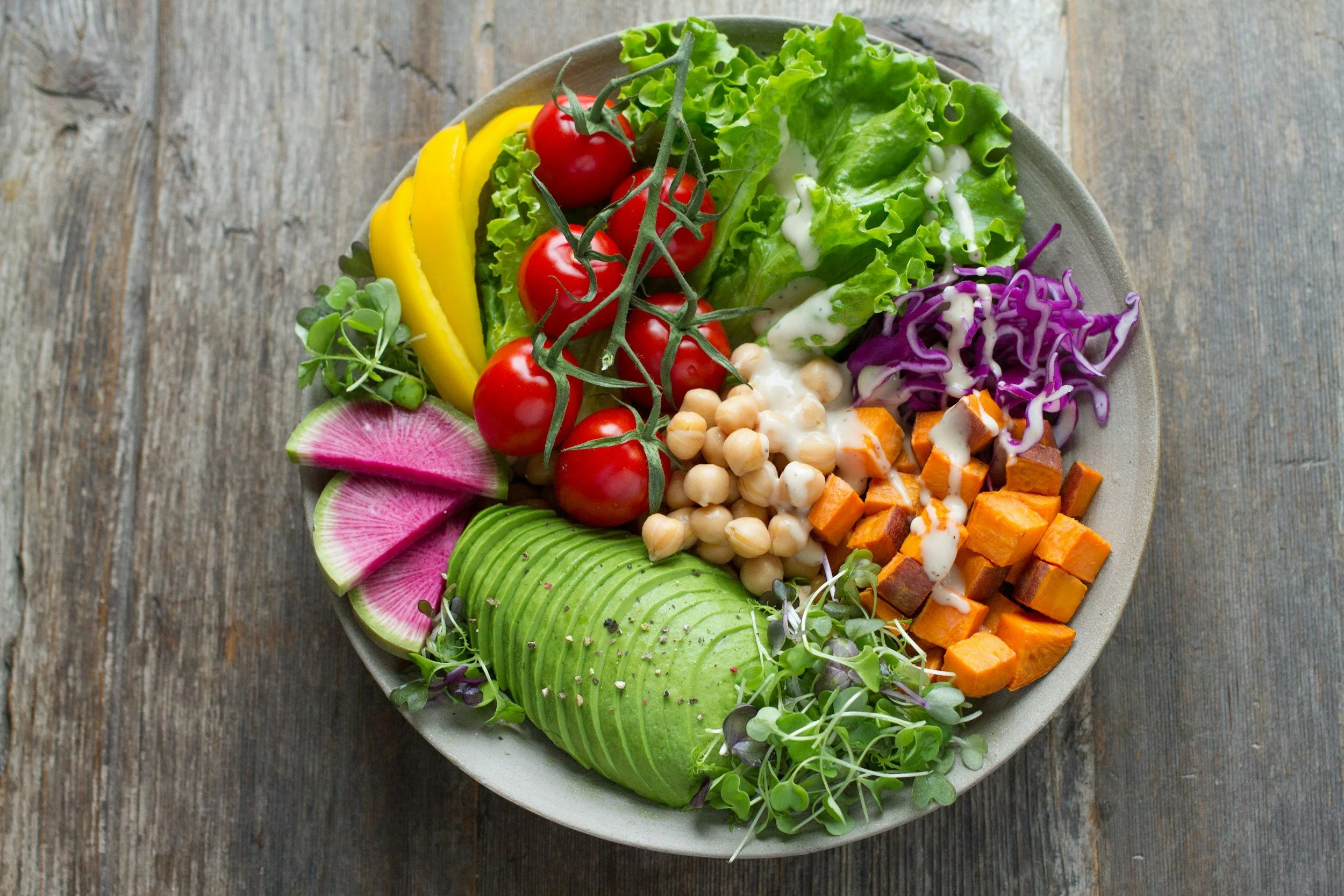
Nutrition doesn't need to feel confusing. When you're juggling work, training, and real life, the goal isn't a perfect diet - it's fueling your body consistently enough to feel strong, recover well, and keep showing up.
If you're training but still feeling low energy, dragging through workouts, or struggling to recover between sessions, nutrition is usually part of the picture. This post covers the basics in plain language.
For the bigger-picture version of how nutrition works at bStrong, start with All About Nutrition: The Basics. This post is the simplified entry point.
What do most people actually need to eat well while training?
You don't need a perfect diet. Most people do well when they eat consistently, include a protein source at most meals, choose mostly whole-food carbohydrates, stay reasonably hydrated, and don't skip meals before or after training. Nutrition complexity tends to scale with goals - for most adults training 2-3 times per week, the basics done consistently produce most of the results.
What is fat?
Fat has taken a lot of blame over the years, but it's essential. It helps your body absorb vitamins, supports hormones, protects organs, and provides long-lasting energy.
Focus on whole-food fat sources: avocados, eggs, nuts and seeds, fatty fish, and olive or avocado oil. Use heavily processed and deep-fried foods more sparingly - the issue with most of those isn't the fat alone, it's the combination of lower-quality oils, refined carbs, and salt together.
You don't need to fear fat or eat huge amounts of it. A reasonable mix of sources across your meals covers what most people need.
What is protein?
Protein supports almost everything your body does: building and repairing muscle, making hormones, supporting your immune system, and keeping you full between meals.
If you're training consistently - especially with strength training - protein matters more. Training breaks down muscle tissue. Eating enough protein is what allows it to rebuild and come back stronger. Even if building muscle isn't your primary goal, adequate protein helps you maintain muscle mass, support your metabolism, and recover faster between sessions.
Good sources:
Animal-based: meat, fish, eggs, dairy, Greek yogurt, cottage cheese
Plant-based: lentils, beans, tofu, tempeh, edamame, nuts and seeds, whole grains
For specific targets and timing, read our protein guide and post-workout nutrition guide.
What are carbohydrates?
Carbs are your body's primary fuel source. Your brain uses them, your muscles use them, and they make everything from long work days to hard training sessions feel more manageable.
Simple carbs - baked goods, candy, soda, most highly processed foods - digest quickly, spike energy fast, and crash shortly after.
Complex carbs - beans, lentils, potatoes, oats, rice, whole grains, most vegetables - digest more slowly and provide steadier, more reliable energy throughout the day.
For most people, building meals around complex carbohydrates and limiting processed sources covers the practical need without requiring tracking or rigid rules. If your energy tends to crash during workouts specifically, read our pre-workout nutrition guide.
Hydration
More than half your body is water. Even mild dehydration affects focus, mood, training performance, and recovery - often before you feel thirsty.
Practical habits that work: keep a water bottle at your desk, sip consistently through the day rather than catching up at night, drink a little extra before and after training, and include water-rich foods like fruits and vegetables.
You don't need to force gallons per day. Consistent, steady hydration is what matters.
What this looks like for busy people
Most people who struggle with nutrition aren't confused about what's healthy. They're dealing with a packed schedule, irregular meal timing, and defaulting to whatever's convenient when energy is low.
A few patterns that tend to work for busy adults training 2-3 times per week at bStrong in Bellevue and Redmond:
Build meals around a protein source first - then add carbs and vegetables around it
Keep simple, reliable options on hand for busy days: Greek yogurt, eggs, pre-cooked chicken, bagged salads, fruit, rice
Eat something before training even if it's small - a banana and Greek yogurt, half a sandwich, a small smoothie
Don't skip the meal after training - that window matters for recovery
Aim for consistency most of the time rather than perfection all of the time
The members who make the most consistent progress aren't following perfect diets. They're eating reasonably well most days and not letting imperfect days derail the whole week.
For more on the grocery side of this, read our grocery shopping guide. For more on managing cravings and staying consistent, read our cravings guide.
Frequently asked questions
Do I need to track calories or macros to eat well?
Most people don't need to track to eat well - especially when starting out. A useful simpler approach: build most meals around a protein source, include vegetables and whole-food carbohydrates, and pay attention to how you feel and perform. Tracking can be useful for specific goals or when progress has stalled, but it's not a requirement for most busy adults training 2-3 times per week.
How does nutrition affect my training performance?
Directly. Under-eating overall - or under-eating carbohydrates specifically - makes workouts feel harder than they should and slows recovery between sessions. Getting adequate protein supports muscle repair after training. Eating at reasonable intervals prevents the low-energy state that makes training feel like a grind. Most people who feel like they're working hard without seeing results are under-eating protein and skipping meals around training.
What's the most impactful nutrition change for someone just starting to train?
Getting enough protein consistently. Most people who start strength training don't change their eating at all and then wonder why results are slow. Building meals around a protein source first - 25-35 grams at each main meal - is the single most impactful shift for most beginners. For full guidance on this, read our protein guide.
How is this post different from your other nutrition content?
This post is the quick entry point - the basics in plain language for someone who feels overwhelmed by nutrition information. For more depth: All About Nutrition is the full pillar. All About Carbs covers carbohydrates specifically. All About Fat Loss covers body composition. The protein guide covers protein specifically.
Do supplements help?
Not much beyond the basics. The biggest gains come from consistent training, adequate protein, reasonable nutrition, and enough sleep. Protein powder is a convenient way to hit protein targets when food isn't practical. Creatine is the most consistently evidence-backed supplement for strength if you want to add one. Neither is necessary - both are additions to a solid foundation.
What if I don't have time to eat well consistently?
Start smaller than you think you need to. One reliable protein source at breakfast and making sure there's something in the fridge for busy evenings covers more ground than a perfect plan that falls apart by Wednesday. For more on setting up your kitchen to make decent choices the easy choice, read our grocery shopping guide.
Nutrition doesn't have to be complicated. A consistent structure - protein at most meals, whole-food carbs, enough water, and eating around your training - covers most of what most people need.
If you want coached strength training plus practical nutrition resources that fit real life, our 3-week trial is a good place to start. A consultation call, an Intro / Ramp Up session, 6 coached small group personal training workouts, an InBody scan, and practical nutrition resources - all for $99 at our Bellevue and Redmond locations.