
Meal Prep: Save Time, Eat Better
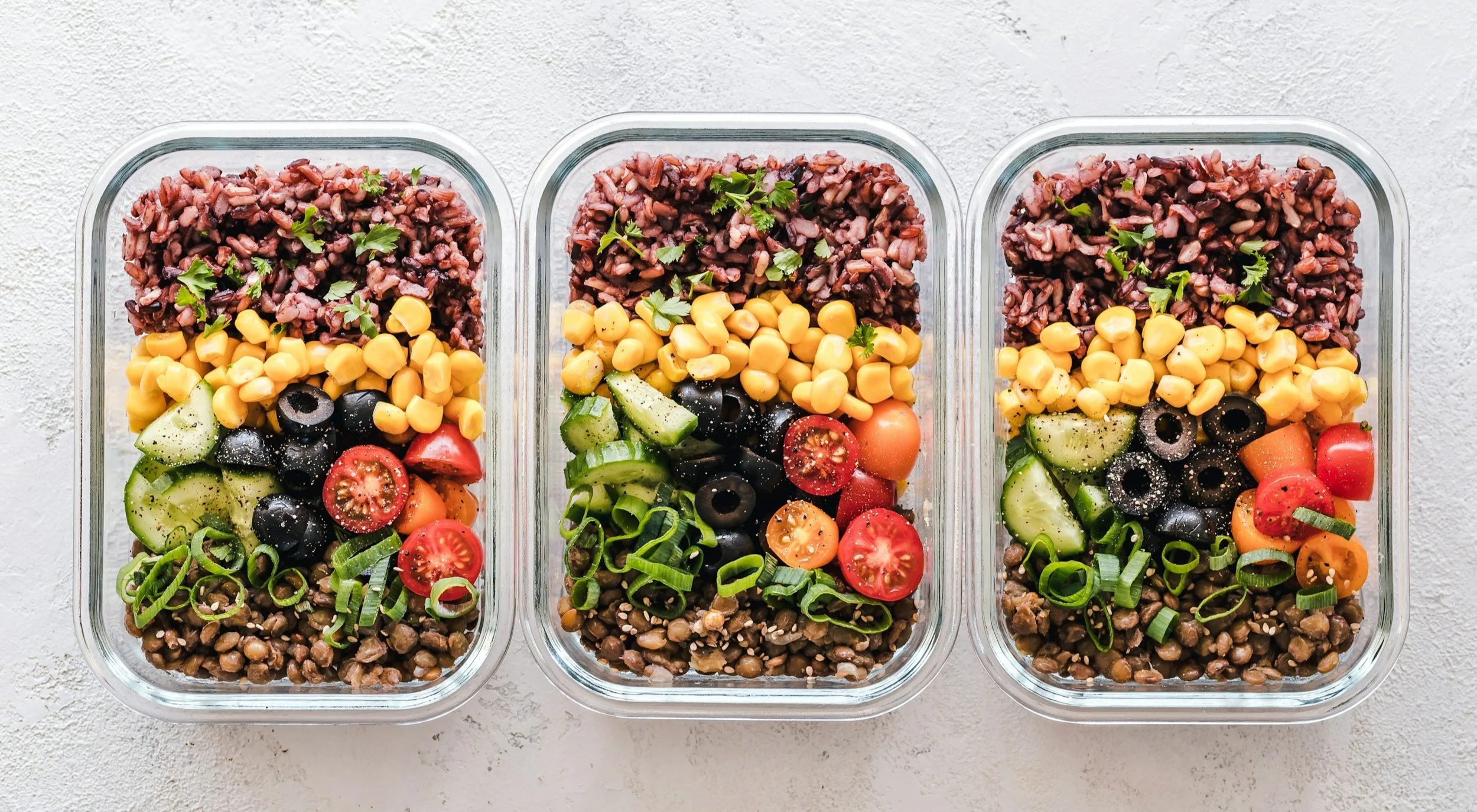
Eating well sounds simple until the week gets busy.
You're tired. Work ran long. You trained earlier. And now food feels like one more thing to figure out. So you default to whatever's easiest - and whatever's easiest usually isn't what you planned.
Meal prep helps bridge that gap. Not as a rigid plan or a Sunday production. Just a simple system that takes a little time now so your future self has it easier.
Do you actually need to meal prep?
Meal prep isn't about perfection - it's about reducing friction. When you have a few ready-to-go options, better choices require less effort. You're not relying on motivation or energy you don't have at 7pm on a Wednesday. The goal is food that's ready when you need it, not food that's perfect.
What meal prep actually solves
Most people don't fail at eating well because they don't know what's healthy. They fail because nothing is ready.
The problems meal prep addresses aren't complicated: "I don't know what to eat," "I'm too tired to cook," "there's nothing prepared." When food is already done or partially done, better choices require less willpower. The hard decision was already made earlier in the week when you had more energy.
This is the same logic behind building any good system. You're designing the week so Tuesday and Thursday night you don't have to start from zero.
Think in days, not weeks
You don't need to prep every meal for the entire week. That's the version of meal prep that overwhelms people and doesn't happen.
Instead, look 2-5 days ahead. Identify the hardest days - the ones where you'll get home late, have back-to-back meetings, or be training in the evening. Prep for those specifically. Even one or two days of covered meals dramatically reduces the moments where you default to takeout or skip eating altogether.
Start with a simple template
Before you cook anything, build a rough direction:
A protein source (chicken, ground beef, turkey, eggs, tofu, beans)
A vegetable component (roasted vegetables, bagged salad, frozen vegetables)
An optional carb if you want it (rice, potatoes, pasta, oats)
That's the template. You don't need a meal plan. You need those three categories covered and available, and most meals assemble themselves from there.
Batch the big pieces
This is where meal prep actually saves time.
Five chicken breasts take almost the same active prep time as one. A large tray of roasted vegetables takes about three minutes to assemble before it goes in the oven. Cooking these things once gives you ingredients for multiple meals across several days - which dramatically reduces the nightly decision of "what am I making and how long will it take."
Cook once, eat several times. That's the core mechanic. Everything else is just variations on that.
Practical options that work well for batching: chicken thighs or breasts, hard-boiled eggs, ground beef or turkey, sheet pan vegetables, a large batch of rice or potatoes, and a pot of soup or chili that covers 3-4 meals.
Convenience is not failure
This is where most people's assumptions about meal prep get in the way.
You don't need to cook everything from scratch. Frozen vegetables are nutritious, inexpensive, and take two minutes in the microwave. Rotisserie chicken is already cooked. Canned beans and lentils require no preparation. Pre-cut vegetables exist for a reason. Greek yogurt and cottage cheese need no cooking. Bagged salad is a legitimate dinner foundation.
The goal is food that's ready when you need it - not food that required significant effort to make. Using convenient options isn't compromising. It's using the right tools for a busy week.
Block out time - and keep it flexible
There's no single right way to do this. Pick whatever fits your schedule:
One longer session on Sunday or at the start of the week
Two shorter 20-minute sessions split across the week
Prepping only your protein and letting everything else come together from there
Even just washing and cutting vegetables so they're ready to grab
Any of these works. The version you'll actually do consistently beats the version that's theoretically optimal but never happens.
A done-for-you option
If you'd rather skip the cooking entirely, Fuller Nutrifuel has been a practical option for a lot of bStrong members. Meals can be delivered directly to bStrong locations at no extra cost, and members get a discount. Worth knowing about if you're going through a particularly busy stretch.
How meal prep connects to your training
This part often gets missed. What you eat between sessions directly affects how you perform in the next one.
Training at bStrong 2-3 times per week creates a real demand - your muscles need protein to repair and rebuild, your energy stores need carbohydrates to replenish, and your body needs consistent fuel to keep showing up well. Members who eat consistently through the week - even imperfectly - tend to train better and recover faster than members who eat well some days and barely eat on others.
Meal prep is the practical mechanism for eating consistently. It's not about being strict. It's about not leaving it to chance on the days when you have no energy to make good decisions. For more on the nutrition side of recovery, read our nutrition for strength and recovery guide.
Simple ways to start this week
You don't need to implement everything at once. Pick one:
Prep just your protein - batch cook chicken, eggs, or ground beef for the week
Buy pre-cut or frozen vegetables so they're already ready
Make two dinners that double as lunches the next day
Cook one large batch of rice or potatoes that covers several meals
Use one sheet pan for an entire meal (protein and vegetables together)
Small wins beat perfect plans every time.
What to expect when meal prep becomes consistent
Most people notice within a few weeks: less stress around meals, more stable energy through the day, fewer last-minute takeout decisions, and workouts that feel better because nutrition is more consistent. Recovery between sessions improves when protein and carbohydrates are reliably available rather than hit-or-miss.
None of this is dramatic. It's just a smoother week.
What this looks like at bStrong
At bStrong in Bellevue and Redmond, we work with busy adults who don't have time to think about food constantly. The meal prep approach we recommend - simple template, batched proteins and vegetables, flexible structure - fits the same philosophy as the training: repeatable systems that work in real life, not idealized routines that fall apart by Wednesday.
Members who figure out a basic meal prep rhythm tend to be more consistent in their training too. The two things reinforce each other. For more on building the habits that make consistency possible, read our consistency system guide and our grocery shopping guide.
Frequently asked questions
How much time does meal prep actually take?
It depends on how much you prep, but a realistic session covers most of the week's proteins and vegetables in 45-90 minutes. If you're batching one protein, one vegetable, and one carb, that's often closer to 30-45 minutes of active work. Two shorter sessions across the week - 20-25 minutes each - can cover the same ground with less feeling of it being a big production.
Do I need to prep every meal?
No. Prepping your protein alone covers the hardest part of most meals. Everything else - vegetables, carbs, condiments - is easy to add quickly. If you have cooked chicken, ground beef, or hard-boiled eggs ready, putting together a meal takes 5 minutes rather than 25.
What if I don't like leftovers?
Meal prep doesn't have to mean eating the same thing every day. Batch cooking ingredients rather than full meals gives you flexibility - the same cooked chicken goes into a salad one day, a rice bowl the next, and a wrap the day after. Prepping components rather than finished dishes avoids the monotony problem.
Is meal prep worth it if I eat out a lot?
Even partial meal prep helps. If lunch is usually eaten out but dinner is often a default takeout decision when you're tired, prepping dinners covers the highest-risk meal. Start with the meal where poor choices cost you the most consistency.
What's the single most useful thing to prep first?
Protein. It's the most time-consuming to cook from scratch, it's the most important for recovery and satiety, and having it ready changes how every other meal comes together. Batch cook chicken, ground meat, eggs, or whatever protein source works for your schedule first, then build from there.
How does meal prep connect to training recovery?
Your muscles repair between sessions using protein, and your energy for the next session comes from carbohydrate stores that need replenishing after training. If those nutrients aren't consistently available because you're eating poorly on busy days, recovery slows and the next session suffers. Meal prep is the practical way to ensure consistent nutrition without relying on motivation or energy you don't have after a long day.
If nutrition feels inconsistent - or like it's making your training harder than it needs to be - you don't need a stricter plan. You need a simpler system.
Our 3-week trial includes practical nutrition resources alongside coached training, designed for busy adults who want a structure that actually fits their life. A consultation call, an Intro / Ramp Up session, 6 coached small group personal training workouts, an InBody scan, and practical nutrition resources - all for $99 at our Bellevue and Redmond locations.