
Worried Your Form Isn’t “Good Enough”? Read This.
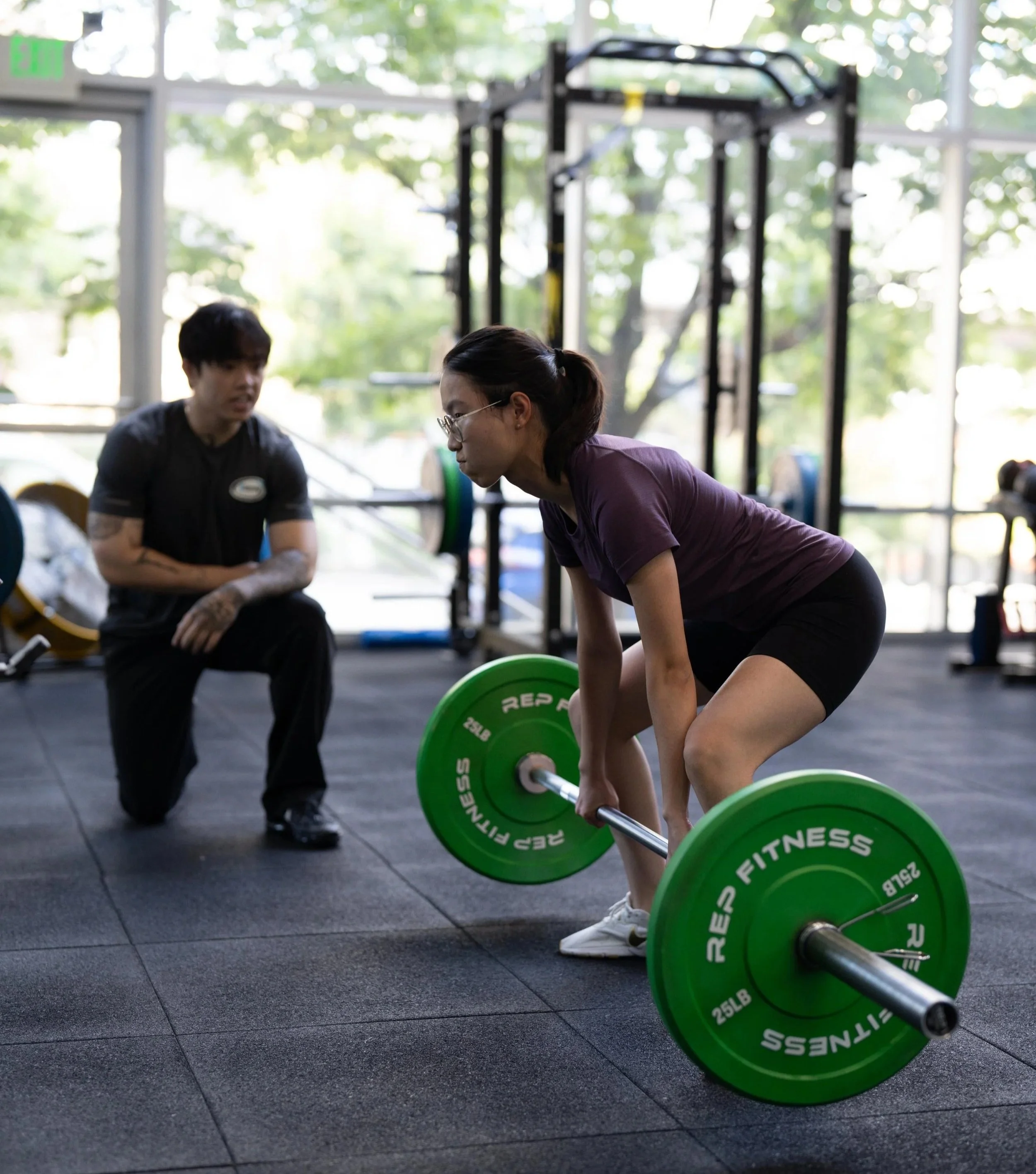
If you’ve ever skipped a workout because you were worried your form looked bad, you’re not alone.
A lot of people delay strength training for months (or years) because they think they need “perfect form” first.
Here’s the truth: most people don’t need perfect form to start. They need safe form, clear coaching, and a plan that helps them improve over time. This post will show you what “good enough” actually means, what to focus on first, and how to get better without overthinking every rep.
What “good form” really means
When people say “good form,” they usually imagine one perfect-looking rep.
In real life, good form means:
You’re in a position your joints can tolerate
You’re moving in control
The right muscles are doing the work
Your reps look mostly the same from rep 1 to rep 8
That’s it.
Form is a skill. You build it the same way you build strength: with practice and coaching.
If you want a deeper guide on staying safe while you learn, read How to Lift Safely.
The biggest mistake: trying to fix everything at once
Most beginners try to think about:
back position
knee position
breathing
core
tempo
depth
where their feet are
where their eyes are
All at the same time.
That turns lifting into a stress test.
A better approach is to focus on one or two cues that give you the most safety and progress, and let the rest improve naturally over time.
3 green flags (your form is “good enough”)
1. You can control the rep
You’re not crashing into the bottom or bouncing around. You can slow down when you want.
2. You feel it in the right place
You feel squats in legs and glutes, rows in your back, presses in chest/shoulders/triceps. Not sharp pain in joints.
3. Your reps look similar
A little wobble is normal. But if rep 1 and rep 8 look mostly the same, you’re in a good place.
3 red flags (you should adjust right away)
1. Sharp pain
A muscle burn or effort is fine. Sharp pain isn’t.
2. Form breaks down hard as you fatigue
If you’re rounding, twisting, or losing control every set, it’s probably too heavy or too many reps.
3. You’re holding your breath and panicking
A little bracing is normal. But if you feel rushed, tense, or out of control, it’s a sign to slow down and simplify.
What to focus on first (3 simple cues)
If you only focus on three things, focus on these:
1. Slow down
A controlled tempo makes almost everything safer and cleaner.
2. Use a weight you can own
You should finish most sets feeling like you could do 1–2 more good reps.
3. Keep a “proud chest / long spine” feeling
Not rigid. Just tall, steady, and controlled.
Good form isn’t perfect form. It’s the form you can repeat safely and improve over time.
What this looks like at bStrong
At bStrong in Bellevue and Redmond, we assume you’re not going to walk in with perfect form. That’s literally why coaching exists.
Here’s how it works:
Your workout is up on the TV when you walk in
Early on, we help you pick smart starting weights based on how you move that day
A coach watches your reps and gives you simple cues, so you don’t get overloaded
If something feels off, we adjust immediately (range of motion, load, setup, or the exercise itself)
After a few sessions, you’ll start seeing target weights for key lifts when they come back, so you’re not guessing week to week
Small groups are supportive, not competitive. Most people are focused on their own reps, not judging yours.

How beginners can apply it
If you’re training on your own, here’s the simplest way to keep form “good enough”:
Use a weight that feels like a 7 out of 10 effort
Move slower than you think you need to
Stop sets with 1–2 reps left in the tank
Film one set from the side once in a while (if it helps you)
If something hurts sharply, change it immediately
You don’t need to earn the right to lift. You just need to start smart.
If you want a simple plan to follow without guessing, start with our Beginner Strength Blueprint.
What to expect in 4–8 weeks
In 2–4 weeks
You’ll feel less awkward
You’ll stop thinking about every rep
Your body will start to “find” better positions automatically
In 4–8 weeks
You’ll feel more confident trying new movements
You’ll move more consistently
You’ll lift more weight with the same (or better) control
This is why consistency beats intensity. Reps add up.
Is this for you?
This is especially for you if:
You’re worried you’ll look lost in the gym
You’re nervous about getting hurt
You’ve been told you have “bad form” before
You’re getting back into training after time off
You want coaching and structure instead of guessing
Want a coach to guide your form (without overcomplicating it)?
If you want safe, coached strength training in a small group setting in Bellevue or Redmond, our 3-week trial for $99 is the best place to start.
It includes:
An intro consultation
An optional Intro / Ramp Up Session (Saturdays)
6 coached small-group personal training sessions
An InBody scan
Nutrition resources
Frequently asked questions
Do I need perfect form before I lift weights?
No. You need safe form and a plan to improve over time. Perfect comes later.
Is it normal to feel awkward at first?
Yes. Strength training is a skill. Almost everyone feels clunky in the beginning.
What if I have an old injury?
You can still train in most cases, but you should scale the movement and get coaching. If you’re unsure, talk to a medical pro first.