
How to Hit Your Protein Goal When You Have No Appetite on a GLP-1
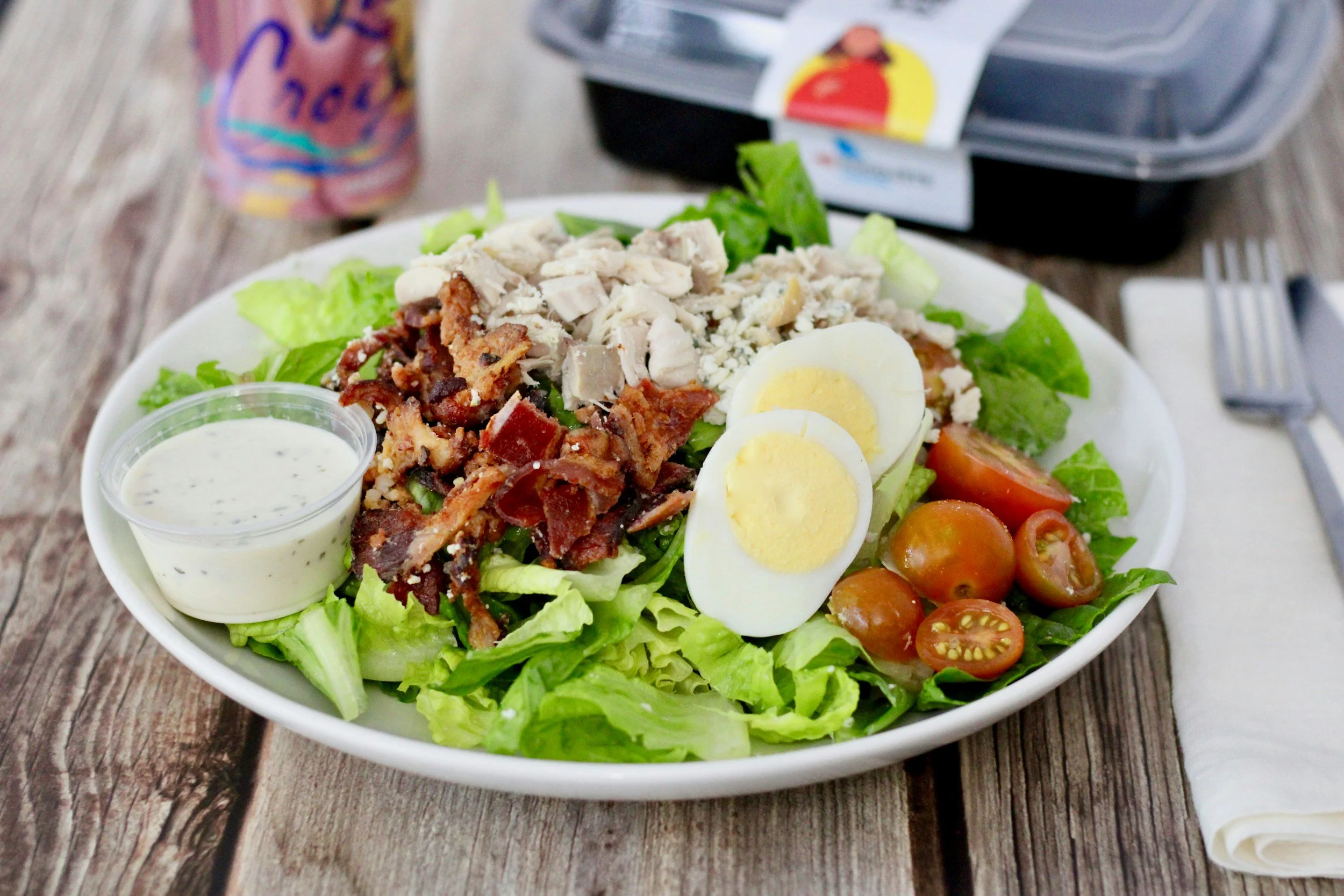
If you're taking a GLP-1 or related medication, eating enough protein can suddenly feel harder than it used to.
You know protein matters. The problem is that you get full quickly, meals seem less appealing, or you simply don't feel hungry enough to eat the amount you used to.
This post is for people taking medications such as Ozempic, Wegovy, Zepbound, or Mounjaro who are struggling to get enough protein while losing weight. You'll learn how to make protein easier to eat without forcing huge meals or turning every day into a nutrition math problem.
How can you eat enough protein when a GLP-1 lowers your appetite?
When your appetite is low, prioritize protein instead of trying to force larger meals. Choose protein-rich foods that are easy to eat in smaller portions, spread protein across the day, and use a shake or other convenient option when a full meal feels like too much. You don't need to eat a huge amount at once. The goal is to make the food you can comfortably eat count.
Reduced appetite can make it harder for some people taking semaglutide or tirzepatide to consistently eat enough protein.
That's worth paying attention to because weight loss can include some loss of lean tissue along with body fat. Adequate protein and consistent strength training can help support muscle and strength during that process.
Why can protein become harder to eat on a GLP-1?
Medications like semaglutide and tirzepatide can reduce appetite and help you feel full sooner.
That can support weight loss, but it may also mean foods and portions that used to feel normal suddenly feel like too much.
You might notice:
You get full halfway through a meal
Large portions aren't appealing
You accidentally skip meals because you aren't hungry
Meat or other dense foods feel harder to finish
You reach the end of the day and realize you've eaten very little protein
The answer usually isn't to force yourself through giant meals.
A better approach is to make protein easier to get from the smaller amount of food you're comfortably able to eat.
If you want the bigger picture on protein while using these medications, start with our guide to Hitting Your Protein Goals on a GLP-1.
Should you eat protein first at meals?
When your appetite is limited, the order you eat your food can matter practically.
If you fill up on bread, chips, salad, or other foods first, you may not have much room left for the protein on your plate.
Try starting with the protein portion of the meal.
That doesn't mean carbohydrates, vegetables, or fats are unimportant. It simply helps make sure protein isn't always the part left behind when you get full.
It can also help to serve yourself a smaller portion to begin with. If you're hungry for more, you can always add to it or eat again later.
Which protein foods work well when you get full quickly?
When eating volume is the challenge, look for foods that provide a useful amount of protein without requiring a huge plate.
Protein-rich foods to build meals around
Greek yogurt
Cottage cheese
Eggs or egg whites
Chicken or turkey
Fish
Lean ground meat
Tuna or salmon packets
Milk or higher-protein milk
Tofu, tempeh, or edamame
Easy options for days when cooking isn't happening
Single-serving Greek yogurt
Hard-boiled eggs
Rotisserie or pre-cooked chicken
Ready-to-drink protein shakes
Protein powder added to foods you already eat
Cheese paired with another protein source
Pick foods you actually like.
The "perfect" high-protein food doesn't help if it sits untouched in your refrigerator.
You also don't need to live on shakes or protein bars. Think of those as tools. Some days a normal meal works well. Other days something smaller and easier may be more realistic.
If you eat mostly plant-based, our guide to getting enough protein on a vegetarian or vegan diet covers more options.
Are protein shakes helpful when you're on a GLP-1?
They can be.
A protein shake can be useful when solid food feels unappealing or when you don't have enough appetite for a full meal.
For example, a shake may be easier first thing in the morning, after a workout, or during a busy workday when you realize you haven't eaten much.
The goal isn't to replace every meal with liquid protein.
Use shakes to fill a gap when they make eating enough protein easier.
If shakes consistently bother your stomach, or you're dealing with persistent nausea, vomiting, or difficulty eating enough overall, talk with your prescribing healthcare provider rather than trying to force more food.
How should you spread protein across the day?
One of the hardest ways to hit a protein goal is to realize at 7 p.m. that you've barely eaten any.
Trying to cram the rest into one dinner can feel especially difficult when your appetite is already low.
Instead, give yourself several smaller opportunities during the day.
For example:
Eggs or Greek yogurt at breakfast
Chicken, tuna, or cottage cheese at lunch
A shake or yogurt as a snack
Fish, chicken, turkey, or another protein at dinner
The exact foods don't matter as much as creating multiple opportunities.
Several manageable protein servings will often feel easier than trying to eat one enormous portion at the end of the day.
What can you do on days when food sounds unappealing?
Some days will be harder than others.
On lower-appetite days, some people find it easier to keep things simple:
Try colder or room-temperature foods if hot food smells unappealing
Choose simpler foods if rich or greasy meals don't sound good
Eat small amounts more often instead of forcing a large meal
Use liquid protein if solid food isn't appealing
Eat slowly and stop when you're comfortably full
On a day like that, getting some useful nutrition in is more important than having a perfect protein day.
If nausea, vomiting, dehydration, or difficulty eating is persistent or severe, contact your prescribing healthcare provider. That's not something you should try to push through on your own.
Do you need to hit your protein goal every single day?
No.
Your appetite may change from day to day, and one lower-protein day doesn't erase your progress.
Focus on the overall pattern instead.
If you're consistently struggling to eat enough food, losing weight very rapidly, feeling weak, or dealing with ongoing gastrointestinal symptoms, bring that up with your prescribing healthcare provider or a registered dietitian.
Nutrition strategies can help, but they shouldn't replace medical guidance about your medication.
Why does strength training matter while you're losing weight?
Protein is only part of the picture.
When body weight drops, some lean tissue can be lost along with fat. Strength training gives your muscles a reason to keep working and adapting while your weight changes.
Combining consistent resistance training with adequate nutrition is a practical way to support strength and lean tissue during weight loss.
That doesn't mean you need to train every day.
For most people, a consistent full-body strength routine 2-3 times per week can be a practical way to keep strength training part of the weight-loss process.
For more on this, read GLP-1s and Strength Training: How to Preserve Muscle.
What this looks like at bStrong
At bStrong in Bellevue and Redmond, we work with members who are losing weight for many different reasons, including people using GLP-1 and related medications.
The goal isn't simply to make the number on the scale go down. We want members to keep getting stronger and support as much useful lean mass as possible along the way.
Our workouts are full-body and typically done 2-3 times per week.
When you walk in, your workout is already up on the TV. Early on, your coach helps you choose appropriate starting weights. As exercises return, we track what you've done and give you target weights so you aren't guessing from week to week.
If your energy is lower than usual, you're not eating much, or a workout feels harder than expected, we adjust.
You don't have to force a heavier workout on a day when your body isn't ready for it.
We're coaches, not medical providers or registered dietitians. Questions about your medication, side effects, or an individualized medical nutrition plan should stay with the appropriate healthcare professional.
How can beginners make this easier?
Don't try to overhaul your entire diet in one day.
Start with three simple priorities:
Put a clear protein source in each main meal.
Keep one easy protein option available for low-appetite days.
Strength train consistently instead of focusing only on the number on the scale.
Once those habits feel normal, you can make the details more specific.
The goal is a routine you can repeat, not a perfect week.
What can you expect after 4-8 weeks?
The biggest early win may simply be that getting enough protein requires less thought.
You may start finding a few meals and snacks that work well even when your appetite is low.
With consistent strength training and a more reliable nutrition routine, you may also notice:
Your workouts feel more familiar
Your strength becomes easier to track
You're more confident choosing foods around your appetite
You're less likely to reach the end of the day having eaten very little protein
You have a clearer routine for supporting strength while losing weight
The scale is only one piece of progress.
Strength, energy, consistency, and body-composition trends can give you useful information too.
Is this approach right for you?
This may be helpful if:
You're taking semaglutide or tirzepatide
You get full much faster than you used to
You're struggling to finish normal-sized meals
You're worried you're not eating enough protein
You're losing weight and want to support muscle
You want simple food strategies instead of tracking everything
You want strength training to be part of your weight-loss plan
If you're having persistent nausea, vomiting, dehydration, difficulty eating enough overall, or other medication concerns, contact your prescribing healthcare provider.
Want help maintaining strength while you're losing weight?
If you're using a GLP-1 or related medication and want help building a sustainable strength routine, our 3-week trial is a good place to start.
You'll get:
An intro consultation
An optional Intro / Ramp-Up Session
6 coached Small Group Personal Training workouts
An InBody scan
Nutrition resources
Coaching and adjustments throughout the trial
The InBody scan gives you an additional way to follow body-composition trends rather than relying only on body weight.
We'll help you start at an appropriate level, track your strength progress, and adjust your workouts based on how you're feeling.
Frequently asked questions
Should I drink protein shakes if I'm on Ozempic, Wegovy, Zepbound, or Mounjaro?
You don't have to, but they can be convenient when your appetite is low and eating a full meal feels difficult.
A shake is best viewed as one option for filling a protein gap, not something you need to replace every meal with.
What if I can't hit my protein goal every day?
Don't panic over one imperfect day.
Focus on improving the overall pattern. If you're regularly unable to eat enough protein or enough food in general, talk with your healthcare provider or a registered dietitian for individualized guidance.
Is strength training important when taking a GLP-1 or related medication?
Strength training can be valuable during weight loss because it helps support strength and lean tissue.
Pairing consistent resistance training with adequate nutrition gives you a more complete approach than focusing on scale weight alone.