
If You’re Sore After a Long Break, Here’s What’s Normal.
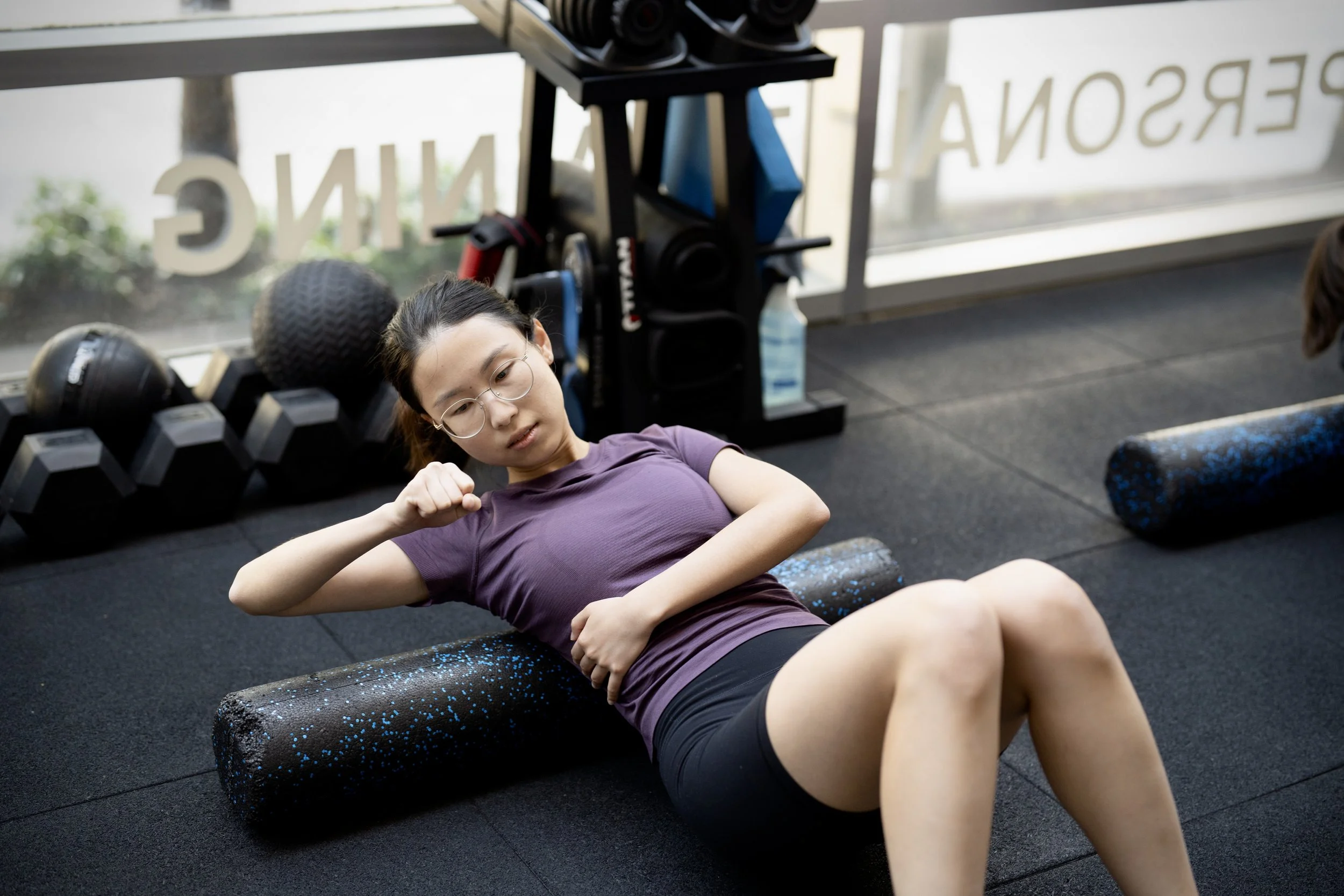
If you took time off and your first workout back made you sore - you're not alone.
A lot of people assume soreness means they did something wrong, or that their body can't handle strength training anymore.
Here's what's actually going on: after a break, your body is basically re-learning the work. Some soreness is normal, especially in the first one to two weeks. This post will help you tell the difference between normal soreness and a problem, and what to do so you can keep training without getting crushed.
Is it normal to be really sore after returning to training?
Yes - soreness after time off is expected and doesn't mean something went wrong. It's called delayed onset muscle soreness, or DOMS, and it's a normal response when muscles are re-exposed to training stress after a break. Normal soreness usually starts later that day or the next day, feels worst somewhere between one and three days after training, and typically fades within a few days. The goal isn't to avoid soreness entirely - it's to recognize what's normal, keep training with smart adjustments, and let the first few weeks do their job.
Why you're sore after a break - even if you didn't go that hard
Soreness after time off usually comes from a few things happening at once: muscles being re-exposed to training stress they haven't had in a while, movement patterns that feel unfamiliar again, coordination and timing being a little rusty, and possibly doing slightly more than your body was ready for in the first week.
You didn't lose everything. Your body just needs a couple of weeks to remember the rhythm.
This is especially true if you trained hard in the past and expected to pick up where you left off, did a bit too much volume your first week back, or used weights that were a little ambitious. None of that means you failed. It just means you're returning.
What normal soreness feels like
Normal post-training soreness usually looks like this:
Starts later that day or the next day
Feels worst somewhere between one and three days after training
Feels like a dull ache or tenderness in the muscle
Improves when you warm up and move around
Fades within a few days
You'll feel it most in the muscles you trained - quads after squats, glutes and hamstrings after hinging, upper back after rows, shoulders and chest after pressing. You'll also notice it in daily life: sitting down or standing up (quads), walking down stairs (quads and glutes), reaching overhead (shoulders and lats), and occasionally laughing or coughing after core work.
That's all normal.
What's not normal - when to adjust or get help
A few red flags worth knowing:
Sharp pain in a joint during or after reps
Swelling that gets worse over 24-48 hours
Pain that changes how you walk or move day to day
Numbness, tingling, or radiating pain
Extremely dark or cola-colored urine after training - this can be a sign of rhabdomyolysis and warrants immediate medical attention
Pain that keeps worsening with each session even after you reduce load or range of motion
Most people don't experience these. But if you do, the answer isn't to push through - it's to scale back and get it checked by a medical professional. Your coaches can adjust movements in the meantime, but they're not a substitute for a diagnosis when something genuinely feels wrong.
The biggest mistake - skipping the next workout
This is the trap.
You get sore, you assume you should rest for a week, you lose momentum. When you finally train again you're basically starting from scratch - and you get just as sore the second time. The cycle repeats, and most people quit before they ever get past the hard part.
Usually the best move is to keep training, reduce intensity a bit, move with control, and stay consistent. You don't need to feel perfect to show up. You just need to move with control.
The soreness drops fast once you get a few weeks of steady training under you.
What to do when you're sore
Keep moving
Light movement helps soreness more than total rest. A 15-30 minute walk, easy cycling, or some gentle mobility work moves blood through the tissue and tends to reduce that stiff, achy feeling faster than lying still. This is one of the most consistently supported ways to manage DOMS - not expensive supplements or elaborate recovery protocols, just movement.
Train again - but scale it
At your next session, drop the weights slightly, reduce the range of motion if needed, keep 1-2 reps in the tank at the end of each set, and slow your tempo down. You're proving to your body it's safe to keep going, not trying to set a personal record. A scaled session beats no session every time.
Protect your sleep
When sleep is low, soreness feels significantly worse and recovery slows. A consistent bedtime, a short wind-down routine, and limiting late caffeine all make a meaningful difference. For more on how sleep affects training and recovery, read our sleep guide.
Eat and hydrate normally
You don't need a perfect nutrition plan. Just don't under-eat or under-drink. Sleep, protein, hydration, and not overdoing the next session all make a real difference to how quickly soreness clears. Aim for protein at 2-3 meals and drink water consistently through the day. For simple protein targets, read our protein guide.

What this looks like at bStrong
At bStrong in Bellevue and Redmond, we work with returners every day. Here's how we handle soreness practically so people don't fall off:
Your workout is up on the TV when you walk in - you're not guessing what to do or how heavy to go
Early on, we help you pick smart starting weights based on how you're moving that day
If you're sore, we adjust immediately - load, range of motion, tempo, or the exercise variation
When a movement comes back, your coach will give you a clear starting target based on what you did last time
For example: if your quads are hammered from squats two days ago, your coach might switch you to a box squat at a higher target, reduce the range, and lighten the weight. Same movement pattern, less stress while you recover.
The goal is simple: show up 2-3 times per week and build consistency. Most people feel the worst soreness in weeks one and two. After that it drops significantly.
For a fuller picture of what the first stretch back looks like, read our return-to-fitness guide.
A simple approach for the first two weeks back
If you're coming back after a long break, try this:
Train twice this week - three times is a bonus, not a requirement
Keep weights conservative
Focus on controlled reps
Leave 1-2 reps in the tank at the end of each set
Expect mild soreness and don't let it stop you from coming back
Your job in week one isn't to win. It's to build the habit back. For more on that, read our consistency system guide.
What to expect in the first few weeks
Weeks 1-2: Some soreness, movements feel a little clunky, but recovery between sessions starts to improve.
Weeks 2-4: Soreness drops noticeably, movements feel more familiar, you stop dreading the day after training.
Weeks 4-8: You feel stronger in daily life, you can push intensity without getting wrecked, and training starts feeling like a normal part of the week again.
Frequently asked questions
How sore is too sore?
A dull muscle ache that improves as you warm up is usually normal. Sharp pain, swelling, pain that changes how you move, or symptoms that worsen despite scaling back are signs to adjust or get it checked. Extremely dark urine after training is a reason to seek medical attention promptly.
Should I work out when I'm sore?
Usually yes - with smart adjustments. A scaled session with lighter weights and controlled tempo typically helps more than a full week off. If the soreness is severe or includes any of the red flags listed above, that changes the answer.
How long before soreness stops being a problem?
Most people notice a significant improvement after 1-2 weeks of consistent training. By week four, soreness is usually much more manageable and no longer something that disrupts the week.
Will I always be this sore after workouts?
No. Soreness is worst when returning after a break or doing something genuinely new. Once your body adapts - usually within 2-4 weeks of consistent training - you'll rarely get this sore again unless you take another long break or significantly change your program.
What if the soreness is making it hard to train at all?
Scale back more aggressively for a session or two. Reduce load to something that feels genuinely easy, prioritize range of motion and movement quality over intensity, and treat those sessions as movement sessions. The goal is to keep showing up - not push through pain that's preventing proper movement.
Is there anything that speeds up recovery between sessions?
Light movement, adequate sleep, staying hydrated, and not overdoing the next session are the most consistently supported recovery tools. Getting enough protein supports muscle repair over time. Expensive recovery supplements are generally secondary to those basics.
If you want to return to training without guessing at weights, worrying about getting hurt, or falling off after the first sore week - our 3-week trial is built for exactly this.
A consultation call, an Intro / Ramp Up session, 6 coached small group personal training workouts, and an InBody scan - all for $99 at our Bellevue and Redmond locations.