
Fitness FAQs: Common Strength Training Questions Answered
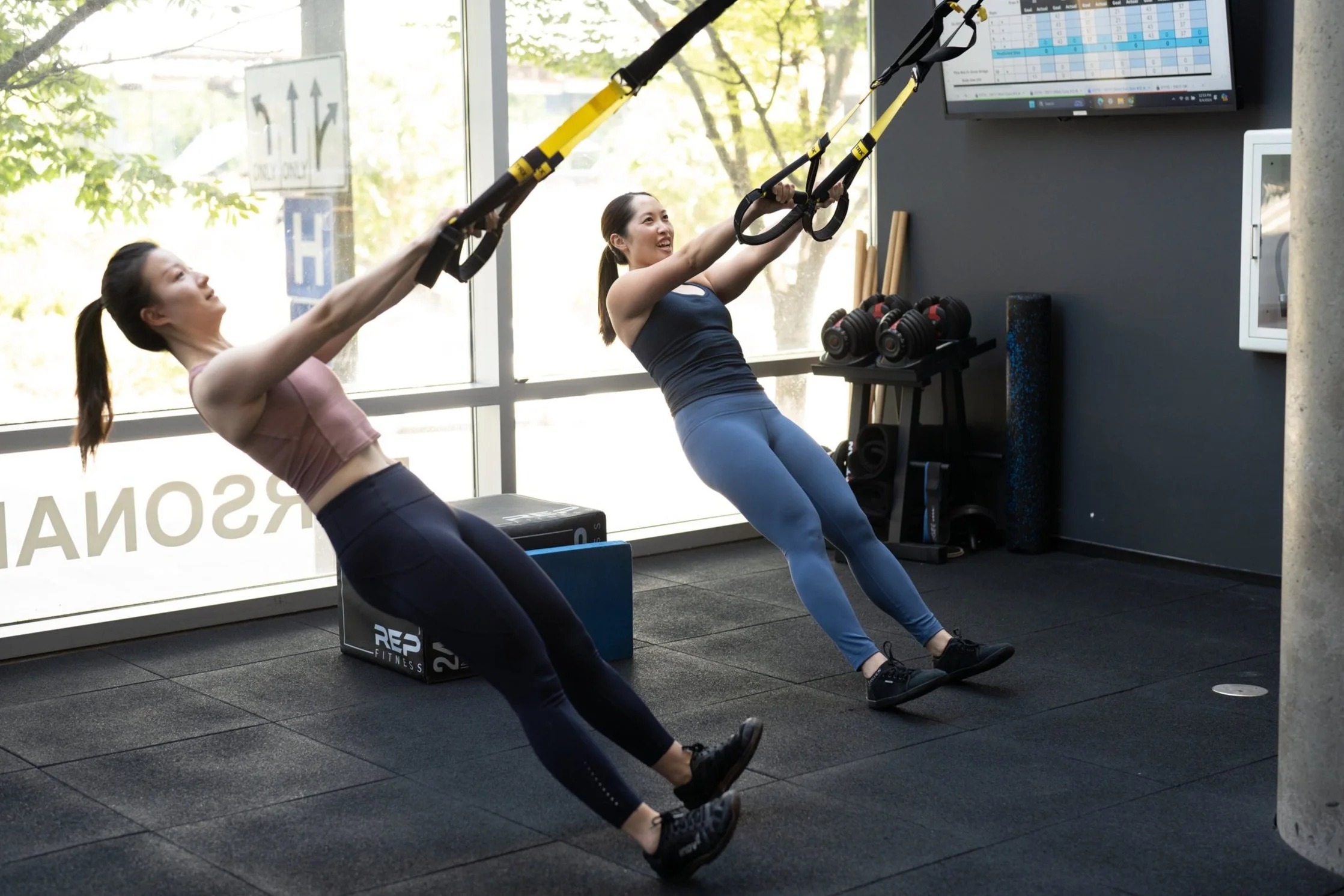
If you're new to strength training - or coming back after time away - you probably have questions. These are the ones that come up most often, answered directly.
What do most beginners want to know before starting strength training?
Most beginners want to know whether it's safe for them specifically, how often to train, what to expect in the first few weeks, and whether the results are actually worth the effort. The short answer to all of those: yes, 2-3 times per week, expect soreness and gradual improvement, and yes. The longer answers are below.
Questions about getting started
Won't strength training make me bulky?
No - and this concern is one of the most common things that keeps people from starting.
Building large amounts of muscle requires years of specific training, a consistent calorie surplus, and in many cases deliberate supplementation. It doesn't happen accidentally from 2-3 sessions per week with a balanced diet. Most people who start strength training see improved muscle tone, better strength, and a leaner appearance - not dramatic size changes.
For women specifically, hormonal differences make significant muscle gain considerably harder than most people assume. The physiques associated with "bulky" are the result of years of very deliberate effort - not what happens in a coached program for a busy adult.
For more on this, read our common strength training myths post.
Do I need to be in shape before I start?
No. Strength training is how you get in shape - not something you do after you're already there.
A good program starts where you are and builds from there. At bStrong, the Intro Ramp-Up session before your regular workouts begin exists for exactly this reason - it's a lower-pressure introduction to movements and the gym environment before any real training load is introduced. You don't need to meet any fitness threshold to start.

Is strength training safe for beginners?
Yes - when done with proper coaching and appropriate starting weights, it's one of the safer forms of exercise available. Most injuries in strength training come from doing too much too quickly, poor technique, or training without structure. With a coached program that starts conservatively and progresses gradually, injury risk is low and joint health typically improves over time.
How is strength training different from cardio?
Cardio primarily improves cardiovascular fitness and burns calories during the session. Strength training builds and preserves muscle, improves body composition over time, and supports joint health and bone density in ways cardio doesn't. Most adults benefit from both - with strength training as the foundation and cardio as the supplement.
For a full breakdown, read our strength training vs cardio for fat loss post.
Questions about frequency and scheduling
How often should I work out?
It depends on your schedule and how active you are outside the gym.
If you hike, bike, run, or swim regularly, 2 strength workouts per week is a solid foundation. If the gym is your primary activity, 3 sessions per week is a good target. Light cardio like walking on non-training days adds health benefits without requiring additional recovery.
The most important thing: 1-2 workouts per week is significantly better than zero. Don't let a perfect schedule get in the way of a realistic one.
For more on fitting training into a busy life, read our strength training for busy people guide.
What time of day is best to work out?
The best time is the one you'll actually do consistently. Morning training works well for many people because it removes the risk of the day getting in the way. Evening works well for others. Neither produces meaningfully different results when training quality and consistency are the same.
The most consistent exercisers tend to pick a time and protect it - treating it like a scheduled appointment rather than something that gets fit in when there's a gap.
How long until I see results?
Most people notice improved energy and less stiffness within 2-3 weeks of consistent training. Measurable strength gains typically show up within 4-6 weeks. Visible body composition changes take 8-12 weeks of consistent training alongside adequate nutrition.
The functional improvements - daily movement feeling easier, more confidence, less fatigue from normal activity - often show up faster than people expect.
Questions about nutrition
What should I eat before a workout?
Most people feel and perform better with some food in the 1-3 hours before training rather than training completely fasted. The closer to workout time, the lighter it should be.
A simple pre-workout option: some carbohydrates for energy plus a moderate amount of protein. Examples that work well: fruit and Greek yogurt, a piece of toast with peanut butter, half a sandwich, or a small smoothie. Drink water before and during the session.
For more specifics, read our pre-workout nutrition guide.
How do I lose fat through training?
Fat loss works best when you combine consistent strength training to maintain and build muscle with a diet built around adequate protein and whole foods in reasonable amounts.
The common pitfalls: focusing exclusively on cardio, or cutting calories so aggressively that muscle is lost alongside fat. Both approaches undermine long-term results. Strength training preserves and builds the muscle that keeps metabolism higher and produces the body composition most people are actually looking for.
For a full breakdown, read our fat loss guide.
How much protein do I need?
For most adults training 2-3 times per week, a useful starting range is 0.6-1.0 grams of protein per pound of ideal body weight per day. A simpler starting point: aim for 25-35 grams of protein at each of your three main meals. Consistency across the day matters more than hitting a precise number.
For more on this, read our protein guide.
Do I need supplements to see results?
No. The basics - adequate protein, consistent training, enough sleep, and reasonable nutrition - produce the vast majority of results without supplementation. Protein powder is a convenient way to hit protein targets when food isn't practical, and creatine is the most consistently evidence-backed supplement for strength and muscle gain if you want to add one. Both are additions to a solid foundation, not substitutes for it.
Questions about recovery and soreness
Why am I so sore after my first few workouts?
Muscle soreness after new training - called delayed onset muscle soreness (DOMS) - is normal and expected when you start a new program or return after time away. It typically peaks 24-48 hours after a session and resolves within 3-5 days.
Light movement, staying hydrated, and getting enough sleep are the most effective responses. Soreness is a sign your muscles are adapting - not a sign something went wrong. For more on managing soreness, read our workout recovery guide.
How important is sleep for training results?
Very. Sleep is when muscle repair and adaptation actually happen - the training session creates the stimulus, sleep is when the body responds to it. Poor or insufficient sleep reduces strength gains, increases fatigue, makes it harder to maintain consistency, and affects body composition. Most adults need 7-9 hours. For more on optimizing sleep, read our sleep guide.
Questions about bStrong specifically
What is Small Group Personal Training?
Small Group Personal Training is coached strength training in a small group - typically 2-6 people per session. Every workout is guided by a coach who watches your form, adjusts your weights in real time, and tracks your progress session to session. It's the middle ground between training on your own and 1-on-1 personal training: individualized coaching at a more accessible price point.
For a full breakdown of how it compares to other training formats, read our small group vs 1-on-1 vs large group guide.
What's included in the 3-week trial?
The 3-week trial is $99 and includes a consultation call, an Intro / Ramp Up session, 6 coached small group personal training workouts, an InBody body composition scan, and practical nutrition resources. It's designed to give you a real experience of coached training before any long-term decision.
Do you have locations in both Bellevue and Redmond?
Yes. bStrong has three locations on the Eastside: Bellevue Elements (989 112th Ave NE), Bellevue Avalon (11000 NE 10th St, this is our 1-on-1 training studio), and Redmond (16595 Redmond Way).
Still have questions?
If something isn't covered here, the consultation call that's part of the 3-week trial is a good place to get answers specific to your situation. It's a low-pressure conversation about your goals, schedule, and history before any training begins.