
If You Sit All Day, These Strength Moves Help the Most
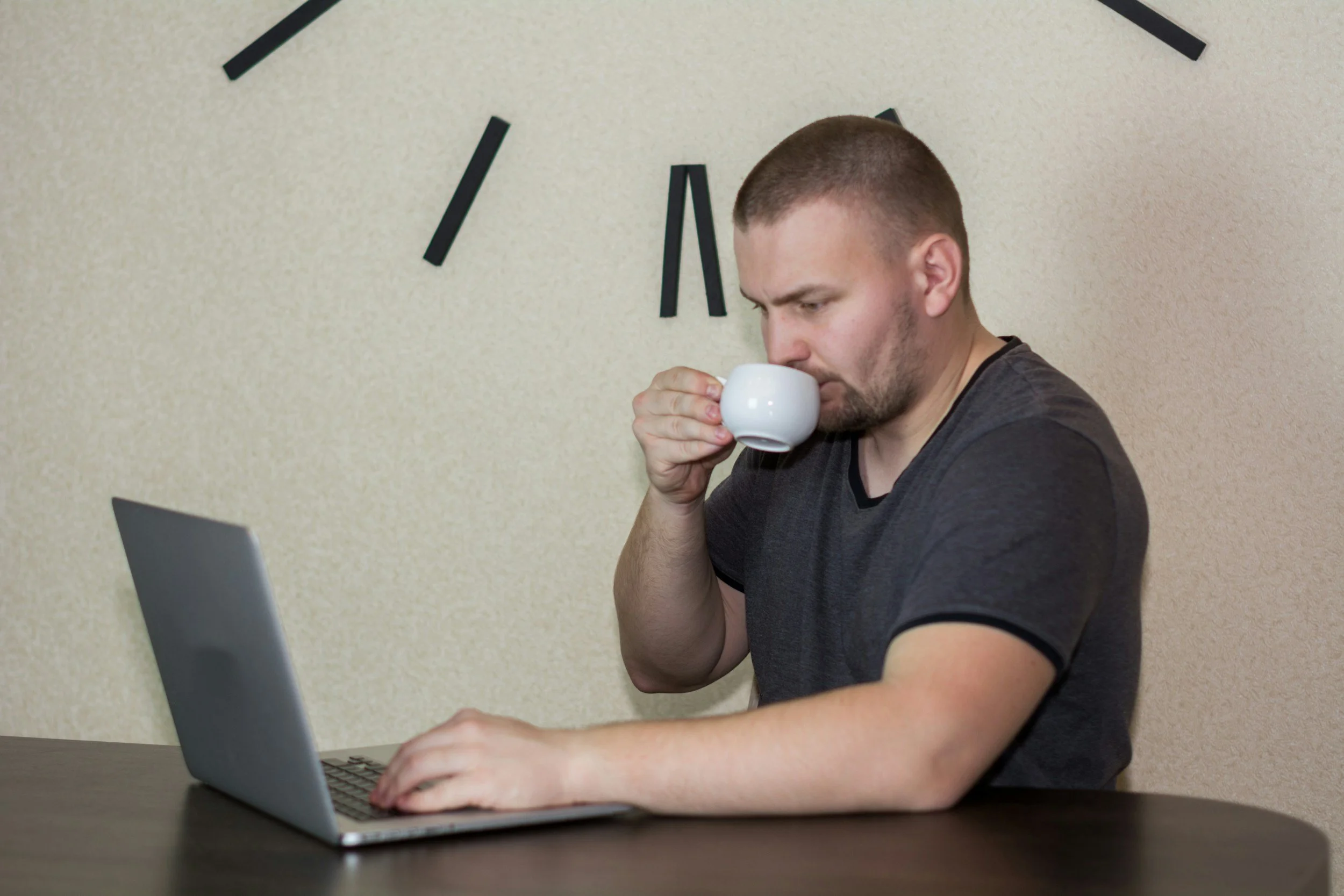
You spend most of the day at a desk, in meetings, in the car, or on Zoom.
By the evening:
your hips feel tight
your upper back is rounded
your neck and shoulders feel like they’re carrying your entire life
So you think: “I should probably stretch more.”
Stretching can help a bit, but if you sit all day, the real game-changer is getting stronger in the right places, not just pulling on tight muscles.
This article walks through the strength moves that give you the most return if you sit a lot for work.
If you want more background on stiffness and strength, Feeling Stiff in Your 40s? Strength Helps More Than Stretching is a great companion read.
What Sitting All Day Actually Does to Your Body
Sitting itself isn’t evil. The problem is too much sitting and not enough strength work to balance it out.
Common patterns we see with members who sit most of the day:
Hips feel tight and cramped.
Glutes are weak or “offline.”
Upper back is rounded and stiff.
Chest and front of the shoulders feel tight.
Neck feels like it’s doing way too much work.
Low back feels achy or tired by the end of the day.
Your body isn’t broken. It’s just adapting to the positions you’re in the most.
The fix isn’t to become a full-time stretcher.
The fix is: get strong in the opposite patterns of your desk posture.
If you’re in Bellevue or Redmond:
If you sit most of the day and your back, hips, posture, or energy are paying for it, this is exactly the kind of problem we help people work on at bStrong. Start with our $99 three-week trial.
The Big Idea: Strengthen the Opposites
If you sit all day, the best use of your strength time is to train:
Hips and glutes → so your lower body actually supports you
Upper back and rear shoulders → so you’re not stuck rounded forward
Core and “carrying strength” → so your spine and hips share the load
You don’t need 50 exercises. You need a small, consistent menu of moves that:
open the hips
wake up the glutes
pull your shoulders back
make your core do its job
If you’re new to lifting or coming back from a break, Beginner Strength Blueprint and Return to Fitness Guide give a good overview of how to structure things.
Move #1: Hip Hinge (Deadlift Variations)
Why it helps sitters:
When you sit all day, hamstrings and glutes go offline, and your low back tries to do everything. Hinge patterns wake up the backside of your body and teach your hips to move instead of your low back taking over.
Good options:
dumbbell Romanian deadlift (RDL)
kettlebell RDL
barbell or kettlebell deadlift
hip hinge with a dowel as a teaching drill
How it should feel:
stretch in the hamstrings
glutes working as you stand up
spine stays neutral (no rounding and folding over)
Aim for:
2–3 sets of 6–10 controlled reps, 2–3 times per week

Move #2: Squat (Especially Box or Goblet Squats)
Why it helps sitters:
You spend all day sitting, but rarely practice standing up under control. Squats strengthen your legs, hips, and core so everyday movements (chairs, stairs, cars) feel easier.
Good options:
box squats (great if your knees or hips are cranky)
goblet squats holding a dumbbell or kettlebell
bodyweight squats if you’re just starting
eventually, barbell squats for those who enjoy them
How it should feel:
weight mostly midfoot/heel, not in your toes
torso controlled, not collapsing forward
effort in quads and glutes, not just your knees
Aim for:
2–3 sets of 6–10 reps, 2–3 times per week, often in the same session as hinges
If squats scare you or have hurt in the past, How to Lift Safely is worth a read.
Move #3: Rows (Horizontal Pulling)
Why it helps sitters:
Desk posture pulls your shoulders forward and rounds your upper back. Rowing movements pull you back the other way and strengthen the muscles that hold your shoulder blades in a better position.
Good options:
1-arm dumbbell rows
TRX body weight rows
seated cable rows
band rows at home
How it should feel:
shoulder blade moving back and down
tension across the mid and upper back
no pinching in the front of the shoulder
Aim for:
2–4 sets of 8–12 reps, 2–3 times per week
Move #4: Face Pulls / Rear Delt Work
Why it helps sitters:
The back of your shoulders and upper back often get neglected, but they’re a big part of “standing tall” after a day at the desk.
Good options:
cable or band face pulls
reverse flies (light weight, good control)
band pull-aparts
How it should feel:
back of the shoulders and upper back working
no shrugging up into your neck
smooth, controlled pull toward your face or chest
Aim for:
2–3 sets of 10–15 reps, 2–3 times per week, often paired with rows
Move #5: Split Squats / Lunges (Single-Leg Strength)
Why it helps sitters:
Sitting all day can make hips feel unstable and uneven. Single-leg work:
trains balance and control
strengthens hips and glutes individually
helps with stairs, hills, and daily life
Good options:
supported split squats (holding on to a rack or rail)
stationary lunges
step-ups
How it should feel:
front leg doing most of the work
controlled down, push through the front foot to stand
stretch in the hip, not sharp pain in the knee
Aim for:
2–3 sets of 6–10 reps per leg, 1–2 times per week
Move #6: Core + Loaded Marches (and Carries if You Have Space)
Why it helps sitters:
Long days at a desk often mean:
core not doing much
low back picking up the slack
posture collapsing as you get tired
We want to train your core to brace and support your spine, and we want your body to handle carrying weight like groceries, kids, or bags. At bStrong, we usually do this with planks plus loaded marches in place, since they don’t take much space and still give you all the benefits.
Core options:
front plank
side plank
dead bugs
pallof presses (anti-rotation)
March options:
double-arm loaded marches (weight in both hands, marching in place)
suitcase marches (weight in one hand, resist leaning)
front rack marches (weights held at the shoulders)
If you have room (at home or in a bigger gym), you can also do farmer carries or suitcase carries as walking variations. The idea is the same: stay tall, brace, and move under load.
How it should feel:
deep core working, not just hip flexors
ribs stacked over hips
steady breathing – you’re working, but not dying
posture tall, not collapsing or leaning
Aim for:
2–3 sets of 20–40 seconds of core holds
3–5 sets of 20–40 seconds of loaded marches or short carries
2–3 times per week

How Often Should You Do These If You Sit All Day?
You don’t need to do all of them every day.
A realistic setup for most busy desk workers:
2–3 strength sessions per week, each including:
1 squat variation
1 hinge variation
1–2 upper body pulls (rows + maybe face pulls)
1 single-leg exercise
1–2 core/carry drills
Plus:
light walking most days
short stretch/mobility breaks during work (even 5 minutes helps)
If you struggle to stick to 2–3 sessions per week, Struggling to Train Every Week? Here’s the Real Fix and The Consistency System: 3 Habits to Make Strength Training Stick can help.
What This Looks Like at bStrong for People Who Sit All Day
At bStrong, your training is highly coached, full-body small group personal training that gives members individualized adjustments, structured programming, and safe, effective sessions that actually fit their life.
A big chunk of our members:
sit at a desk most of the day
work in tech or other office-heavy jobs around Bellevue, Redmond, and the Eastside
feel stiff, tight, and low on energy by the time they think about the gym
Here’s how we set this up at our Bellevue and Redmond gyms:
Shared template, individualized variations.
On a given day, everyone might be doing a version of a squat, hinge, row, and carry, but:one person might be doing box squats
another goblet squats
another barbell squats
All based on their joints, experience, and comfort.
Your plan and target weights are on the TV.
When you walk in, you see the day’s workout, your name, and your recommended starting weights for the big lifts, based on what you did last time.We track your weights and reps for you.
No guessing, no relying on memory. We use your past sessions to guide progression, and your coach adjusts up or down based on how you feel that day.We favor movements that undo desk posture.
Squats, hinges, rows, face pulls, single-leg work, carries, and core are in regular rotation. These are the things that help you feel better getting out of your chair, not just better at doing gym exercises.We adjust to how your body feels.
If you walk in and say, “My back is tight from sitting on calls all day,” we’ll tweak loads, ranges of motion, or exercise choices so the session works with your body, not against it.
How this usually starts at bStrong
The first step is a consultation call. We'll talk through your work setup, how your body feels during the day, whether mornings or evenings fit your schedule better, and what feels realistic right now.
From there, most people start with our $99 three-week trial. In your first few workouts, your coach helps you learn the main movement patterns, find safe starting weights, and build consistency without guesswork. Your workout and target weights are up on the screen when you walk in, and your coach helps you adjust from there.
Simple 2-Day Weekly Plan If You Sit All Day
If you want a template to follow on your own, here’s a simple version:
Day 1
Squat variation (box or goblet)
Hinge variation (RDL or hip hinge)
Row (1-arm dumbbell row or cable row)
Face pull or band pull-apart
Plank
Farmer carry or march
Day 2
Split squat or lunge (with support if needed)
Hinge variation (e.g., lighter RDL or hip bridge)
Row or pulldown
Rear delt / upper back work
Side plank or dead bug
Suitcase carry (weight in one hand) or march
On each exercise:
move with control
leave 2–3 solid reps in the tank
stop or modify anything that causes joint pain
Is This for You? (Checklist)
This approach is probably a good fit if:
you sit most of the day for work
your hips, back, or shoulders regularly feel tight or tired by evening
you’ve been told to “stretch more,” but it never seems to solve the problem
you want workouts that make daily life feel easier, not just burn calories
you’d rather have a short, focused list of strength moves than a long, random routine
You may want to talk to a medical professional first if:
you have sharp, unexplained pain
you’ve had recent surgery or major injury
you’ve been told you need specific clearance before exercising
Once you’re cleared, a well-designed strength plan is one of the best “antidotes” to long days at the desk.
Ready to Balance Out Your Desk Job? Try the 3-Week Trial
If you live or work near Bellevue, Redmond, or the Kirkland/Eastside area and sit most of the day, we built our program for people like you.
During your 3-week trial at bStrong, you’ll get:
a quick intake call so we understand your workday, body, and goals
an Intro / Ramp Up session to learn the movements with a coach
small group personal training 2–3 times per week
workouts and target weights laid out on the TV when you walk in
coaching that emphasizes the exact moves that counter long hours at a desk
You don’t have to undo every hour of sitting with perfect posture. You just need a few key strength moves, done consistently, with good coaching and a plan.